.svg)
.png)
.svg)
.svg)
.svg)


Every time a new HealthTech product lands on our radar, whether it is an AI copilot, a remote monitoring dashboard, or yet another “smart” wellness app, we catch ourselves asking the same things. Will clinicians actually want to use this? Will patients trust it enough to return tomorrow, and the day after? Most importantly: does it fit into the messy reality of everyday care? And what are healthcare UX design best practices today?

The digital health space is growing fast. Hospitals, startups, and consumer brands are all experimenting with ways to connect people with their health: through tracking, guidance, education, or direct communication with professionals. And while the technology itself is often impressive, what really determines whether a product survives is much simpler — whether it feels clear, humane, and genuinely helpful in daily life.
At INSAIM a UX design agency, we took a step back to explore the HealthTech landscape, examine market and products, looking for trends. Our goal was to identify recurring patterns, common traits and digital health app design principles, collecting them in a way that makes it easy to start exploring, dive deeper, and build upon. We analyzed 20+ HealthTech apps, capturing key user flows, annotating them, and using these insights to highlight major trends, providing illustrative examples for each.
APPS AUDIT
We analyzed 20+ HealthTech apps, capturing key user flows, annotating them, and using these insights to highlight major trends, providing illustrative examples for each.
What we found confirmed an intuition we had long suspected: as digital markets grow and technologies evolve – accelerated by AI and increasing integrations – building products has become faster, easier, and more affordable. Ideas and opportunities for features and niches are expanding, but competition has never been fiercer. Users are faced with hundreds of similar apps and uncertainty about which ones to trust, while companies struggle to stand out and reach their audience.
It all comes back to design
We see technically sophisticated products fail to gain traction or deliver unique value due to poor UX decisions, insufficient understanding of user needs, or an inability to guide users to meaningful outcomes. At the same time, products that may not differ significantly in technology but deeply understand user pains, craft intuitive flows, and foster trust and engagement consistently succeed in crowded markets. For this reason design-first approach is no longer optional in today’s digital landscape and HealthTech is no exception. Only products that are intuitive, accessible, and user-centered will reach users, earn trust, and deliver true value. This is what healthcare UX design best practices are built around.
In this report, we take you through the digital health market, examining both B2С and B2B2C products across four key niches: Chronic Care Management & Remote Patient Monitoring, Digital Therapeutics (DTx), FemTech (Women’s Health Apps), and Mental Health & Wellness Apps. We highlight key insights and illustrate each with a real product from the respective niche.
For actionable takeaways in UX design for healthcare, we've compiled four key questions to answer when designing your product.
If you want to explore design solutions in more detail and see UX trends applied in real HealthTech applications, you can review 20+ products and their workflows in depth in our Figma file.
Digital health market
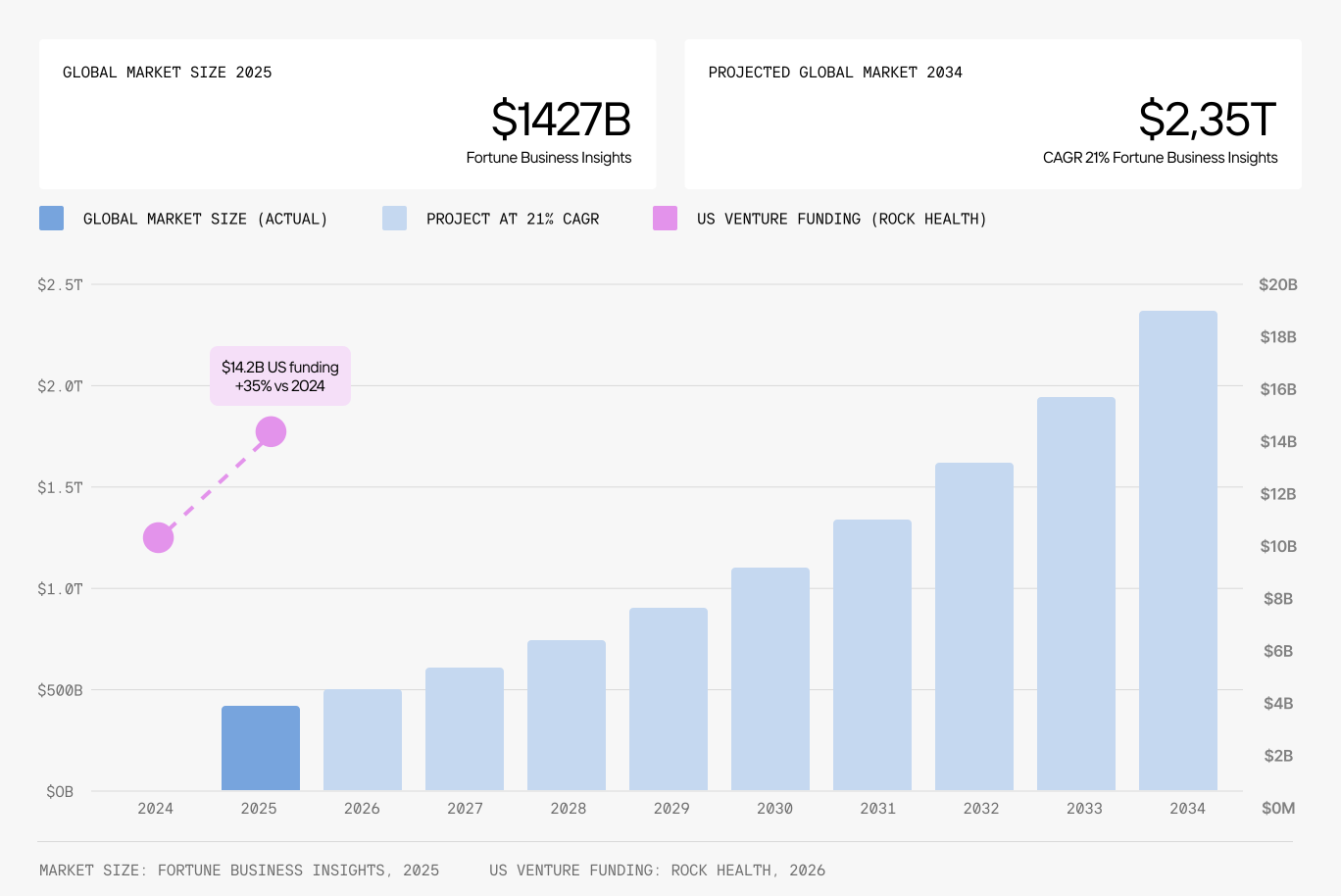
The digital health market is expanding as healthcare providers, startups, and investors focus on scalable, patient-centered innovation. The global digital health market was valued at approximately $427 billion in 2025 and is projected to reach $2.35 trillion by 2034, expanding at a CAGR of over 21% (Fortune Business Insights, 2025).
Funding trends reflect this momentum. U.S. digital health startups raised $14.2 billion in 2025 — a 35% increase over 2024 and the highest total since 2022. Average deal size rose to $29.3 million, up from $20.7 million in 2024, while the median deal size moved from $10 million to $12 million — reflecting the outsized influence of mega-deals, which accounted for 42% of all funding, the highest proportion since 2021 (Rock Health Year-End Funding Overview, 2026).
A subtler but telling shift: mid-stage deals — rounds going to companies that have already proven their model and are generating early revenue — reached their highest share in five years, climbing to 20% of all deals from 18% in 2024 (CB Insights State of Digital Health Q3 2025). This signals a maturing market where capital follows demonstrated traction, not just promise.
AI has become the defining force shaping where capital flows. AI-enabled digital health companies captured 54% of total funding in 2025 — up from 37% the year prior — and commanded roughly a 19% premium on average deal size compared to companies not explicitly centering AI in their products and services (Rock Health Year-End Funding Overview, 2026).
Yet capital alone does not guarantee impact. Patients are reshaping their own care journeys: one in three U.S. consumers now turns to AI tools for health information — double the share from 2024 — arriving at clinical encounters already informed and expecting personalized, always-on experiences. Trust remains the deciding factor: while clinicians remain the most trusted source of health information for around 85% of consumers, patients are rapidly expanding who they engage with — and platforms that fail to earn that trust lose them to alternatives (Rock Health Consumer Adoption Survey, 2025).
Clinicians face pressure from the opposite direction. Research across healthcare systems consistently identifies workflow misalignment as a primary barrier to digital tool adoption — steep learning curves, the need to verify AI outputs, and context-switching between systems increase cognitive load and drive resistance regardless of how sophisticated the underlying technology (ScienceDirect, 2025). A cross-national study of 9,526 primary care physicians across ten countries including the US, UK, Canada, Australia, and France found that digital health use correlates with workload dissatisfaction — even when the tools are intended to help (Jendly et al., European Journal of Public Health, 2025).
The pattern across both patient and clinician data points to the same conclusion: the adoption challenge in digital health is fundamentally a design challenge. Technology that adds friction — however capable — will fail to deliver its potential. The next generation of HealthTech success depends not only on more sophisticated AI, but on products that earn trust, fit naturally into existing workflows, and reduce the burden on everyone they are meant to serve.
For product teams, investors, and design studios, that is both the constraint and the opportunity. This material explores the design imperatives, strategic considerations, and UX principles that define what it takes to build digital health products that actually work in 2026.
HealthTech Segmentation
As we explored the HealthTech landscape, we identified common principles that underpin successful digital health products. In this report, we summarize these principles and include one product from each of four key niches — Chronic Care Management & Remote Patient Monitoring, Digital Therapeutics (DTx), FemTech, and Mental Health & Wellness Apps — to show how these principles appear in real-world products.
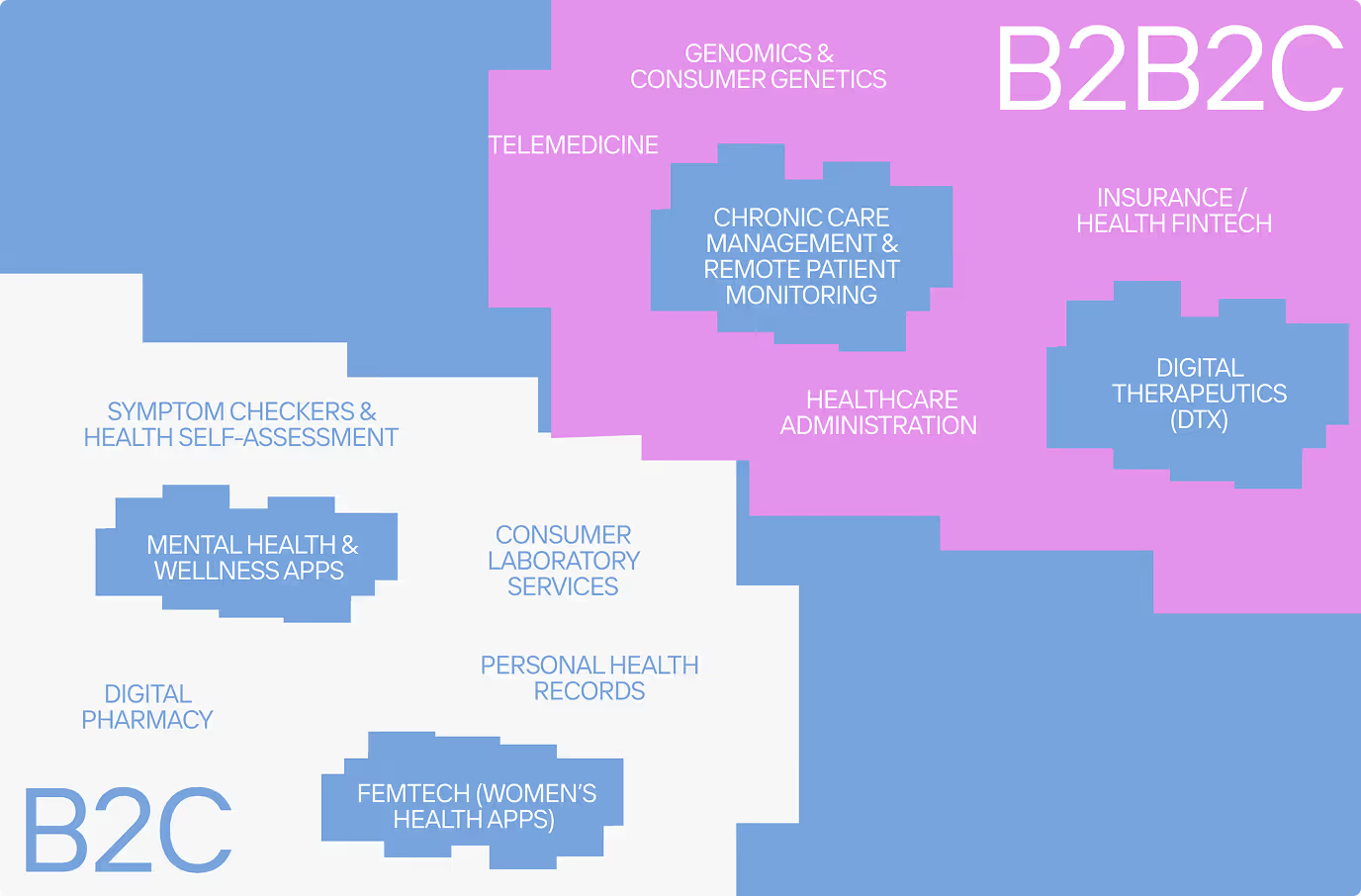
While some products support both clinicians and patients and others focus primarily on end users, the patterns we observed — around clarity, trust, accessibility, and usability — remain consistent across contexts.
1 . Chronic Care Management & Remote Patient Monitoring: Key Design Principles
Products in this niche support people living with long-term conditions — such as diabetes, cardiovascular disease, or COPD — through continuous monitoring, trend analysis, and early signals that enable timely intervention. When thoughtfully designed, these solutions help reduce unnecessary hospital visits and support patients in managing their health as part of everyday life.
Huma: Remote Patient Monitoring UX in Practice
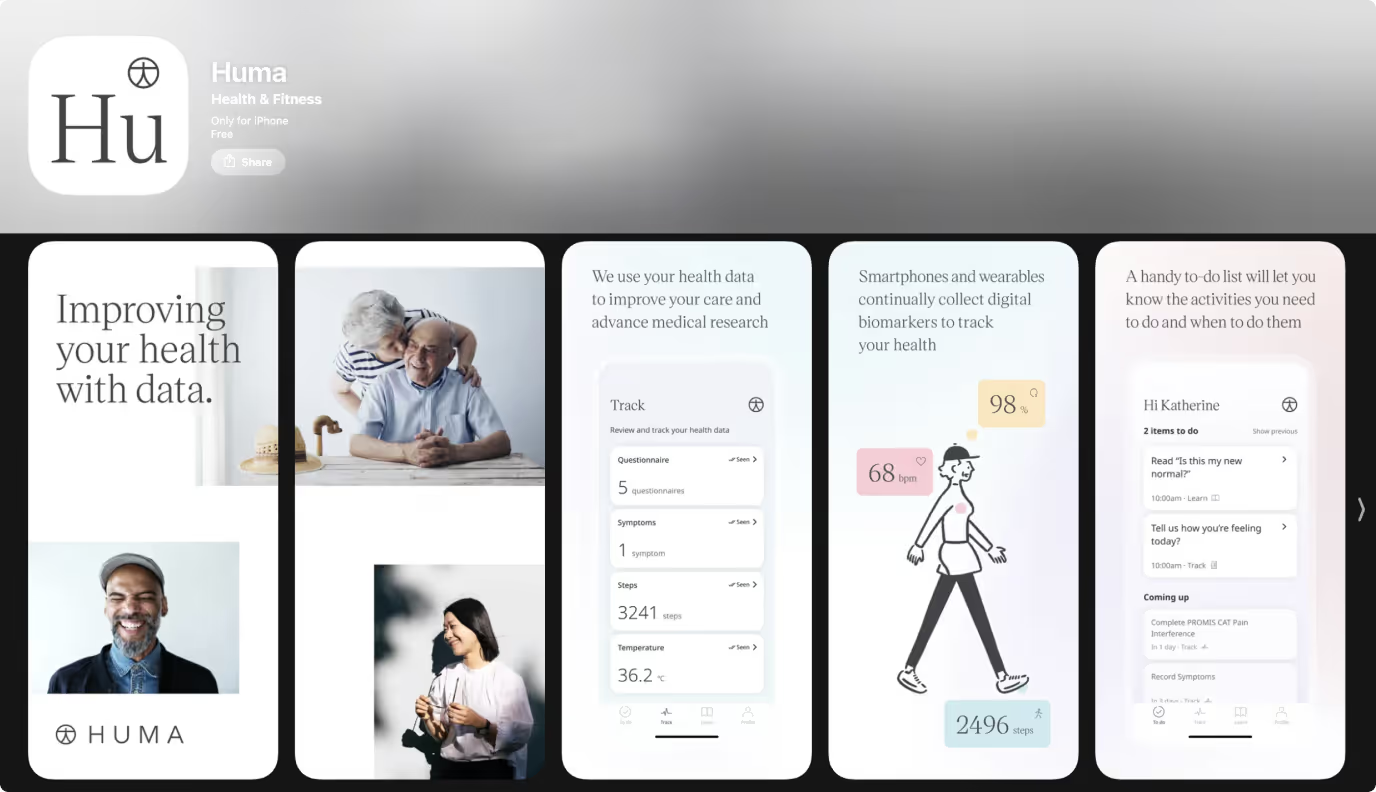
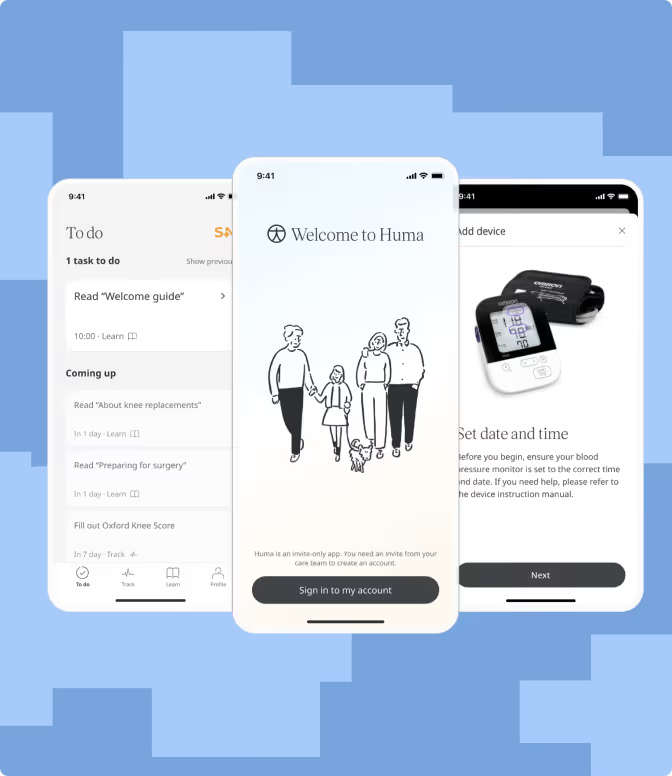
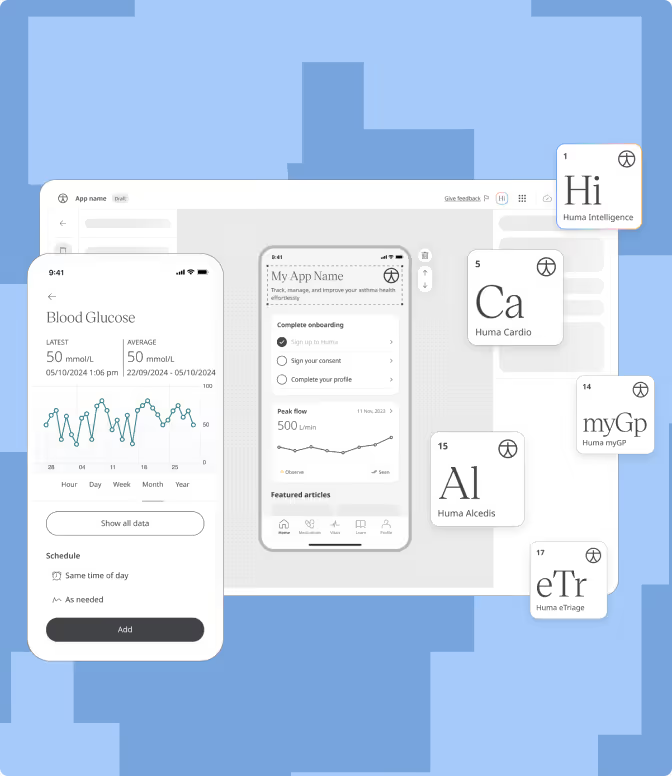
Huma is a digital platform focused on remote patient monitoring and chronic care management. It supports both patients and healthcare teams through a combination of mobile and web applications.
- Dual dashboards: The platform provides separate interfaces for patients and clinicians. Mobile app for patients provides step-by-step symptom tracking, reminders, and personal metrics. Web platform for clinicians shows aggregated patient data, trends, and alerts.
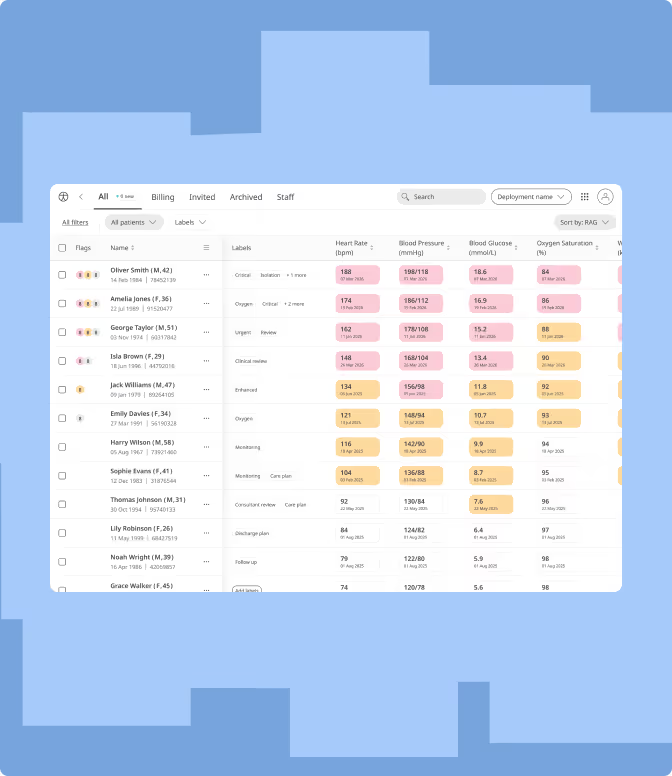
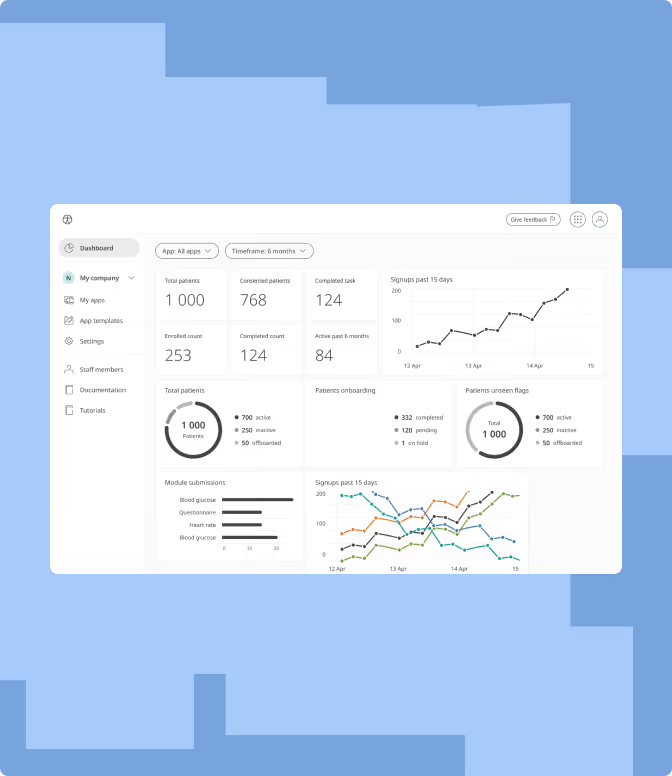
- Accessibility-first UX: Huma prioritizes inclusivity with clear typography, high contrast, and guided workflows to make the app usable for older adults and users with varying digital literacy. Their accessibility statement outlines ongoing compliance efforts with WCAG 2.1 standards.
- Interoperability & EMR integration: Huma integrates with major EMR systems and expanded functionality via acquisition of eConsult, enabling clinicians to manage patient data within existing workflows more efficiently. (Integration info)
- Regulatory safety and compliance: The platform emphasizes secure and compliant data handling, with multiple certifications including FDA 510(k) Class II, EU MDR Class IIb, ISO 13485, ISO 27001, and adherence to GDPR, NHS Data Security Toolkit, and CyberEssentials Plus. (Quality & Regulatory)
2. Digital Therapeutics (DTx) UX: Key Design Principles
Digital Therapeutics (DTx) deliver software-based interventions that are clinically validated to prevent, manage, or treat medical conditions. These products rely on evidence-based efficacy while remaining engaging and intuitive for patients.
Kaia Health: Digital Therapeutics UX Design in Practice
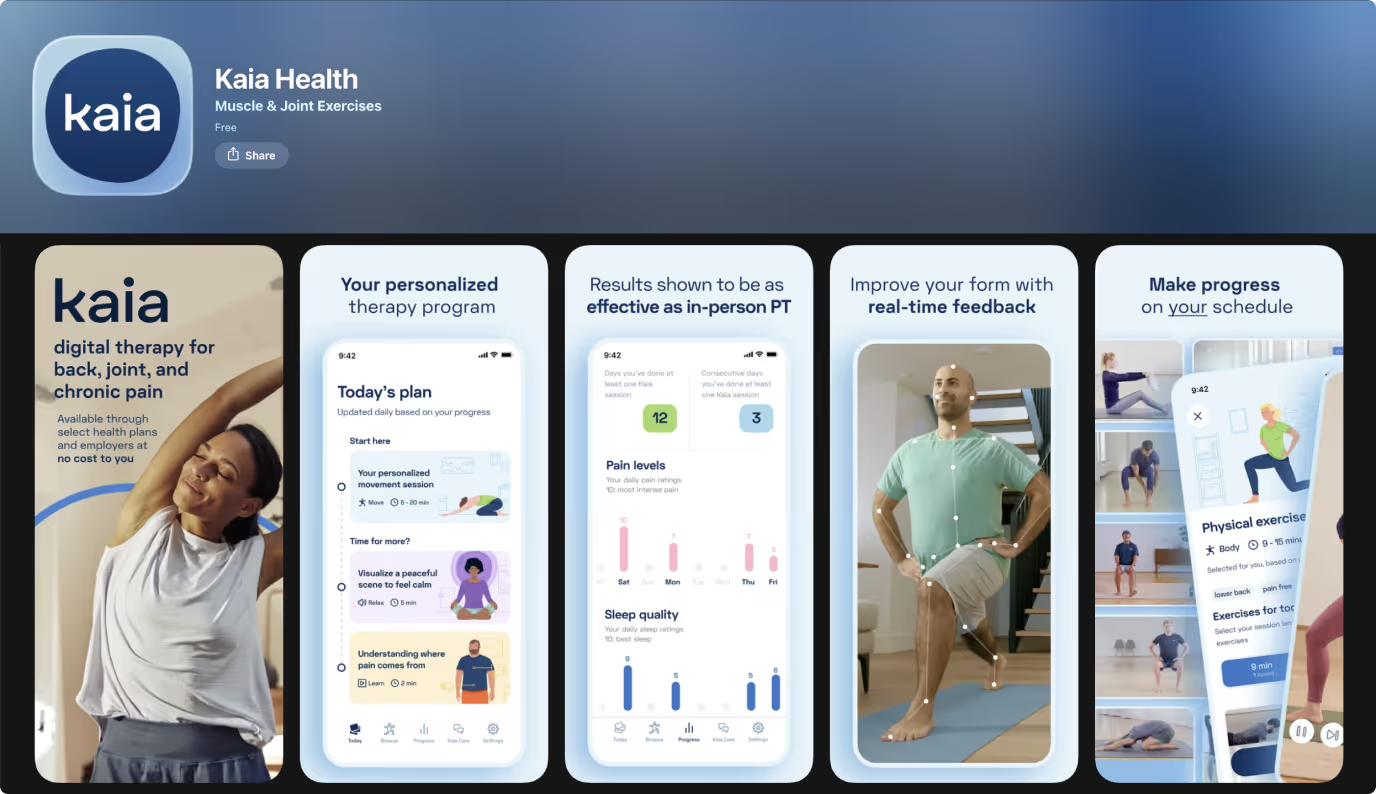
Kaia Health is a digital therapeutics platform for musculoskeletal conditions and chronic pain. Its app provides AI-driven exercise programs and behavioral interventions to help patients manage pain.
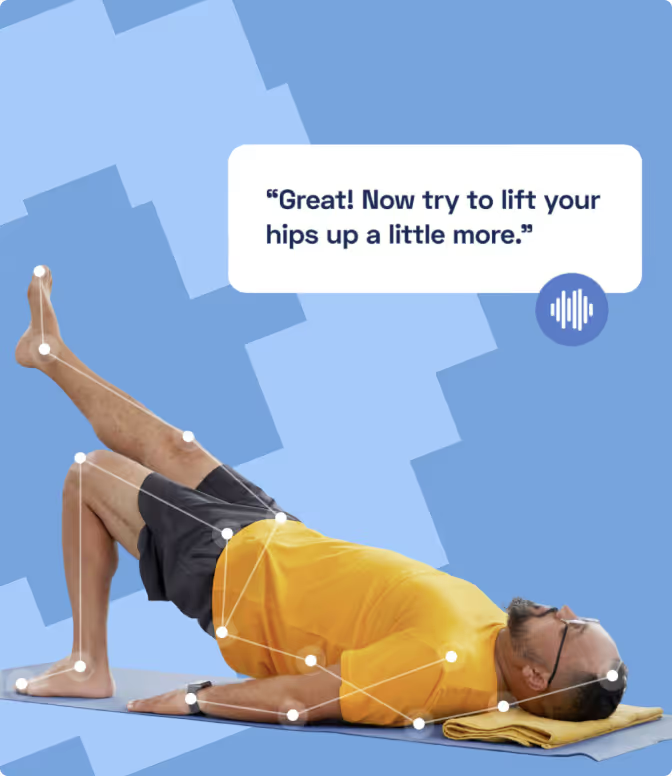
- AI personalization: Kaia’s Motion Coach uses computer vision and AI via a smartphone camera to analyze movement, count repetitions, and provide real-time visual and audio feedback during exercises. This allows therapy to adapt dynamically to each user’s performance rather than following static routines (Getting started with Motion Coach, How Motion Coach works)
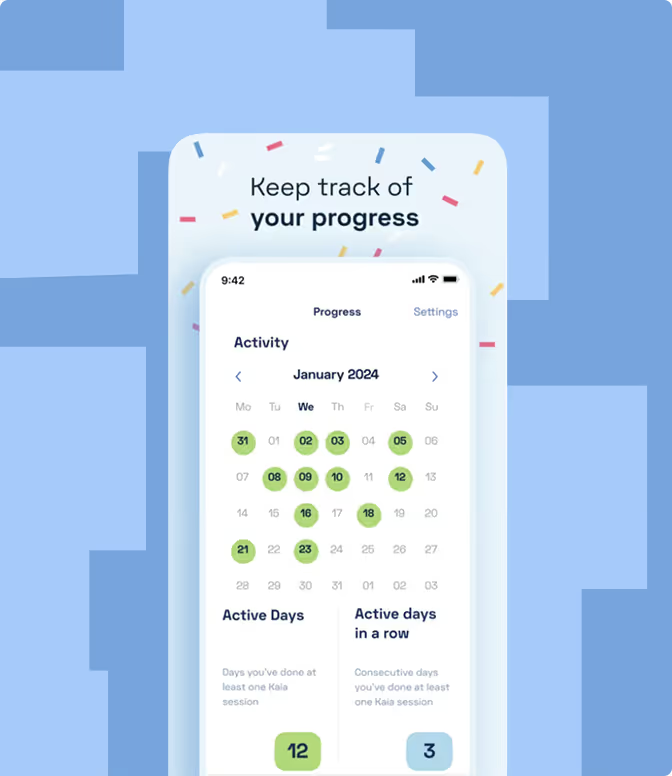
- Behavioral science & adaptive feedback: Continuous, context-aware feedback that helps users stay on track and correct behavior in real time, reinforced by progress tracking and step-by-step planning screens that highlight achievements and encourage ongoing engagement. (Motion coach)
- Clinical validation: Kaia’s digital therapeutic solutions have been evaluated in large-scale safety and effectiveness studies. A published safety study involving nearly 140,000 users demonstrated a strong safety profile comparable to standard care. (Business Wire study overview) Additional studies indicate that Kaia’s pain management program can be more effective than traditional care approaches in reducing pain levels. (Kaia effectiveness study)
- Regulatory safety & compliance: Kaia emphasizes data security and privacy through documented security and compliance practices, supporting safe handling of sensitive health data. (Kaia security & compliance)
3. FemTech app UX: Key Design Principles
Women’s health apps are one of the fastest-growing segments in HealthTech, helping people track cycles, fertility, pregnancy, menopause, and general wellness. These products are often used daily and rely heavily on trust, long-term engagement, and sensitive handling of personal data. Their success depends on creating experiences that feel empathetic, intuitive, and actionable for everyday users.
Clue: FemTech UX Best Practices Applied
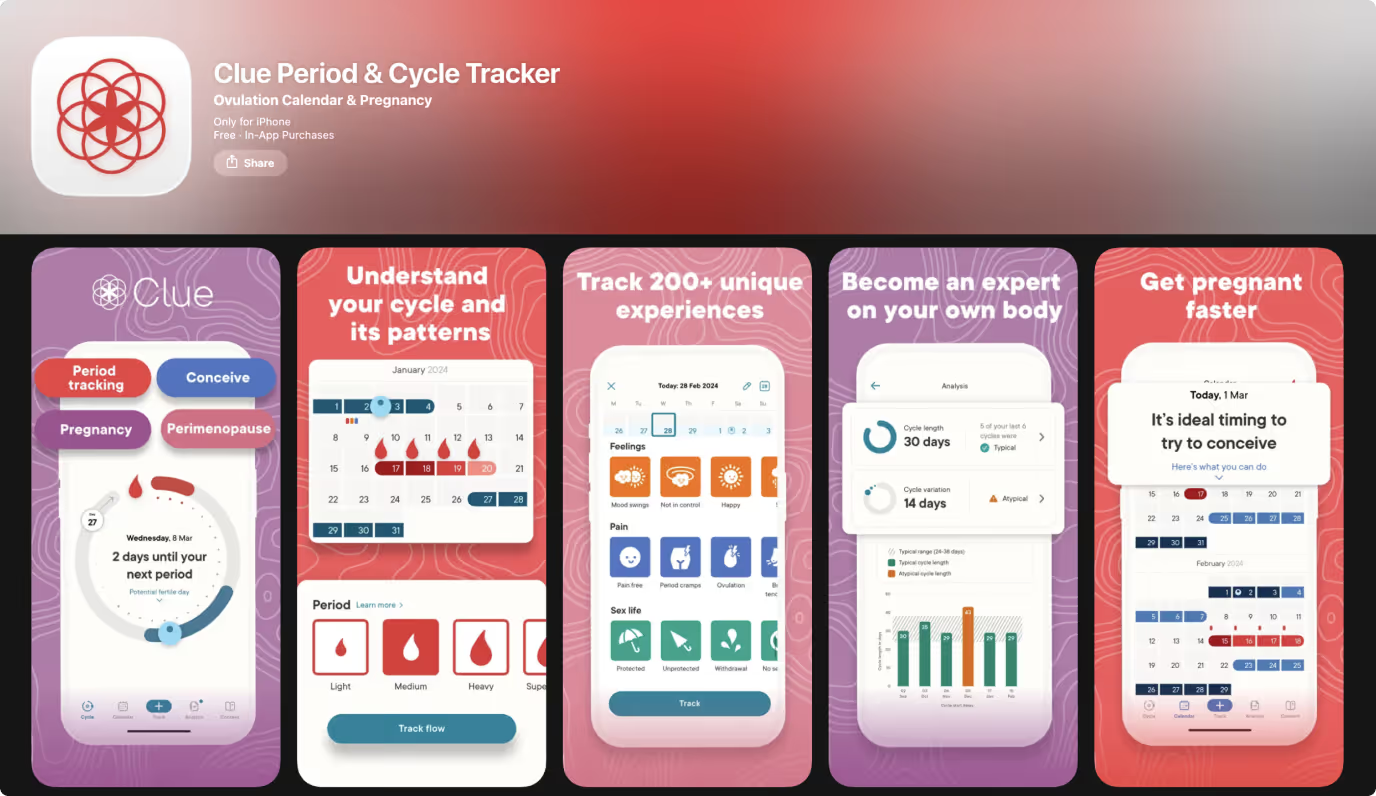
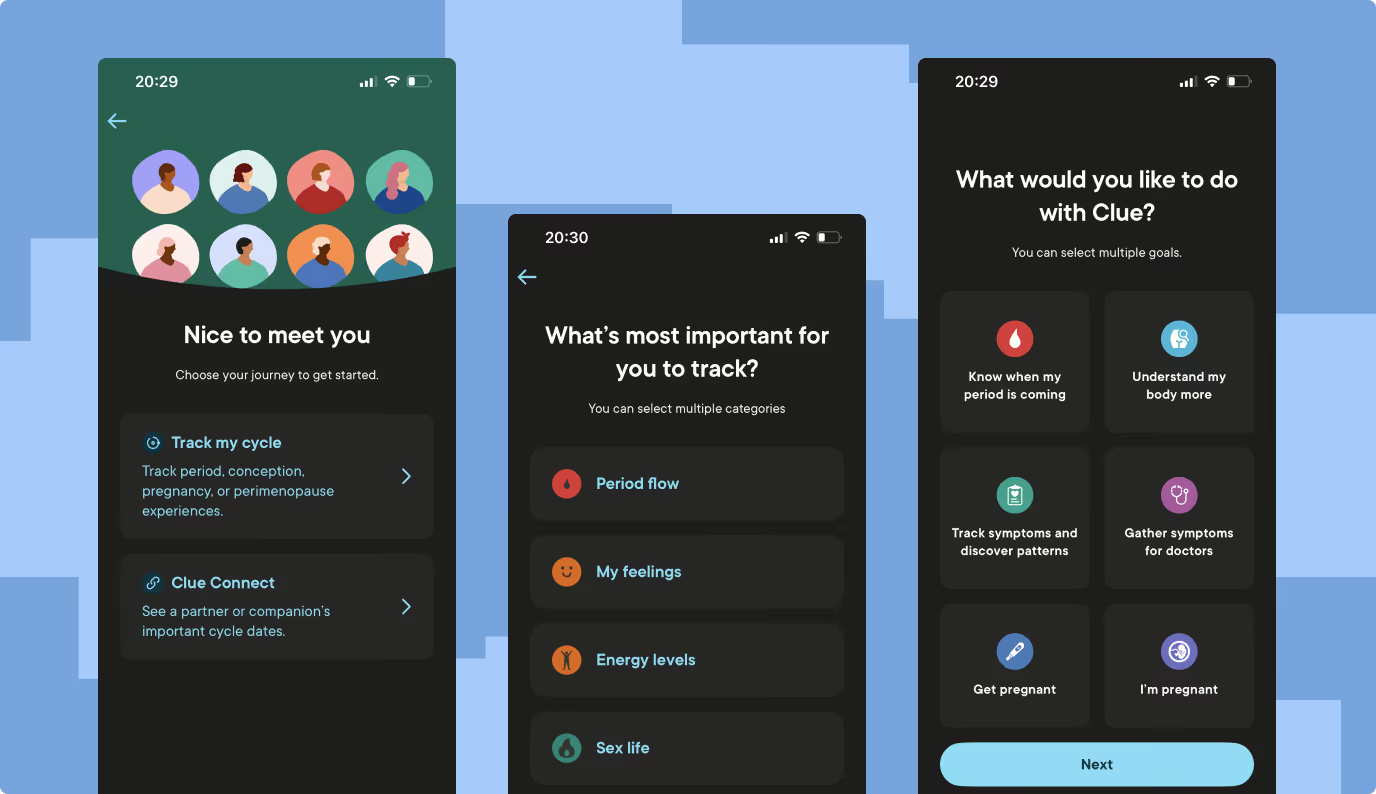
Clue is a period and ovulation tracking app that provides personalized cycle insights and predictions. While we didn’t test the app directly, publicly available information shows that it applies the design principles above.
- AI-driven predictions & tracking: Clue uses user-entered data to forecast periods, fertile windows, and cycle patterns.
- Specification vs. generalization: The app focuses specifically on women’s menstrual and reproductive health, avoiding feature bloat to deliver clear, actionable insights for its target audience. Users choose their goal — tracking periods, trying to conceive, following a pregnancy, or monitoring premenopause — so the experience is tailored to what matters most to them, rather than combining everything in one.
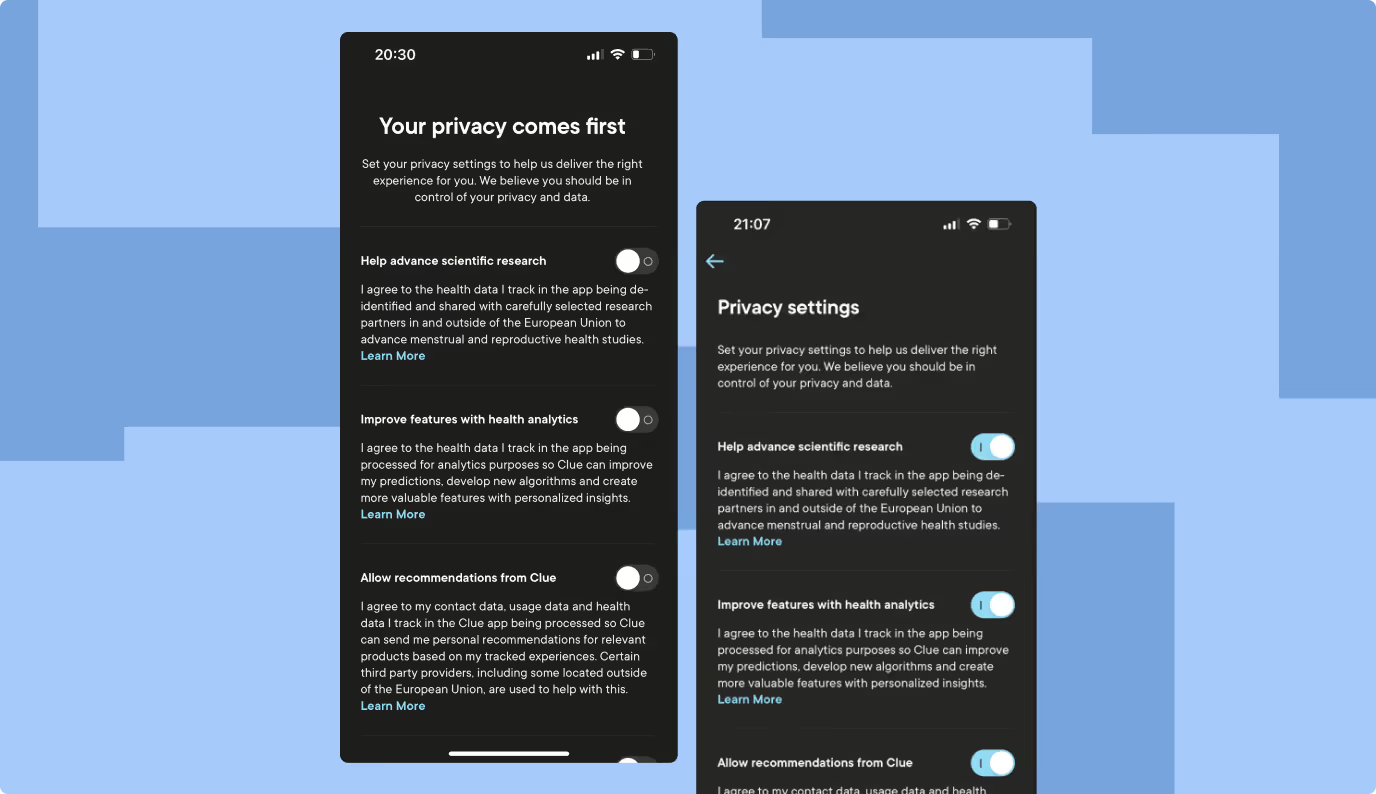
- Privacy & consent: Clue emphasizes data control and transparency, giving users options to manage, download, or delete their data. (Clue data and privacy)
- Engagement through visibility: Interactive dashboards, reminders, and daily tracking prompts help users stay on top of their health without feeling overwhelmed.
4. Mental Health App Design: Key UX Principles
The mental health app market is growing driven by increasing demand for accessible, scalable, and personalized support. Mental health and wellness apps support emotional wellbeing, stress management, and therapeutic interventions.
Sonia AI: Mental Health App UX Design in Practice
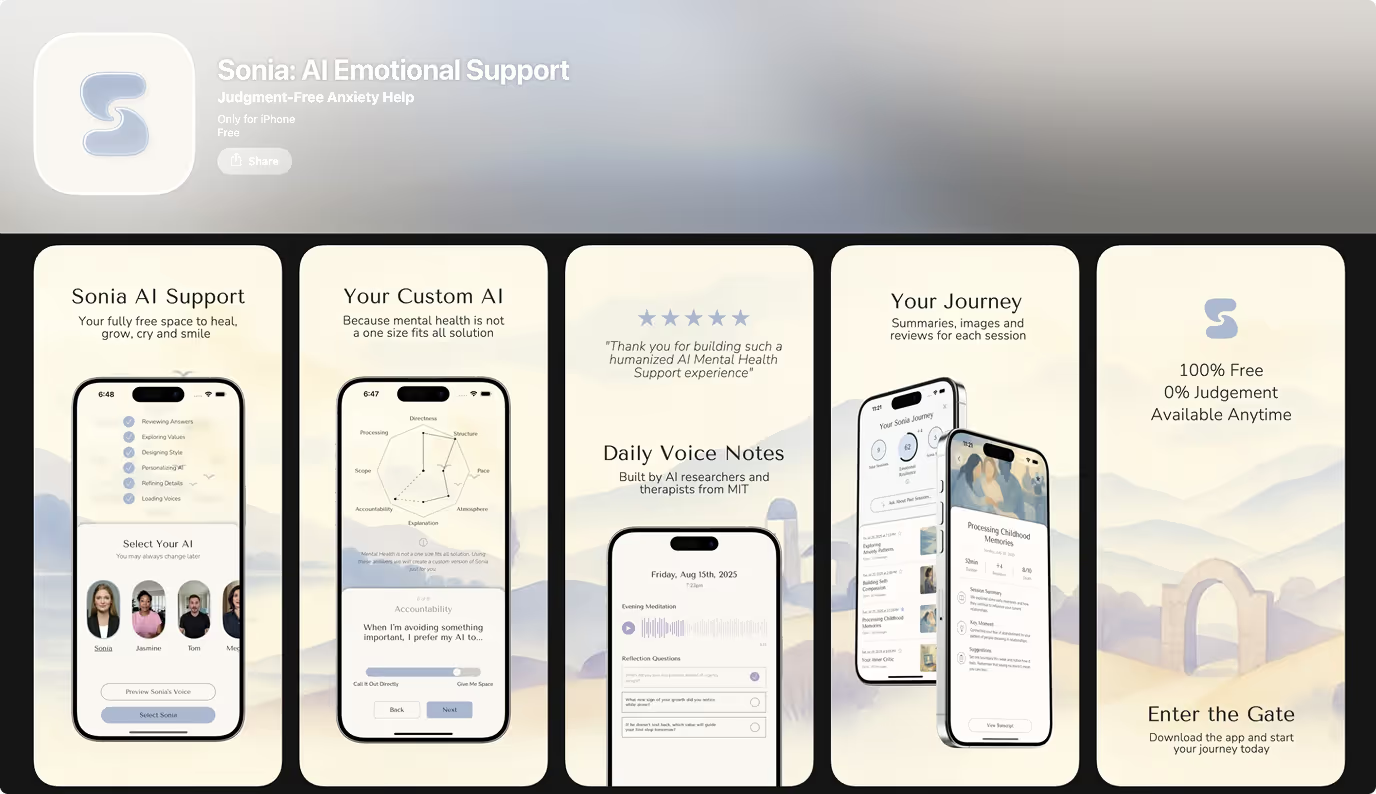
Sonia AI offers emotional support through conversational AI, helping users manage stress and anxiety in a personalized and interactive environment.
- Gamification and behavioral nudges: Visual storytelling through the construction of immersive virtual world (the cartoon landscape acts as a metaphorical “safe space”)
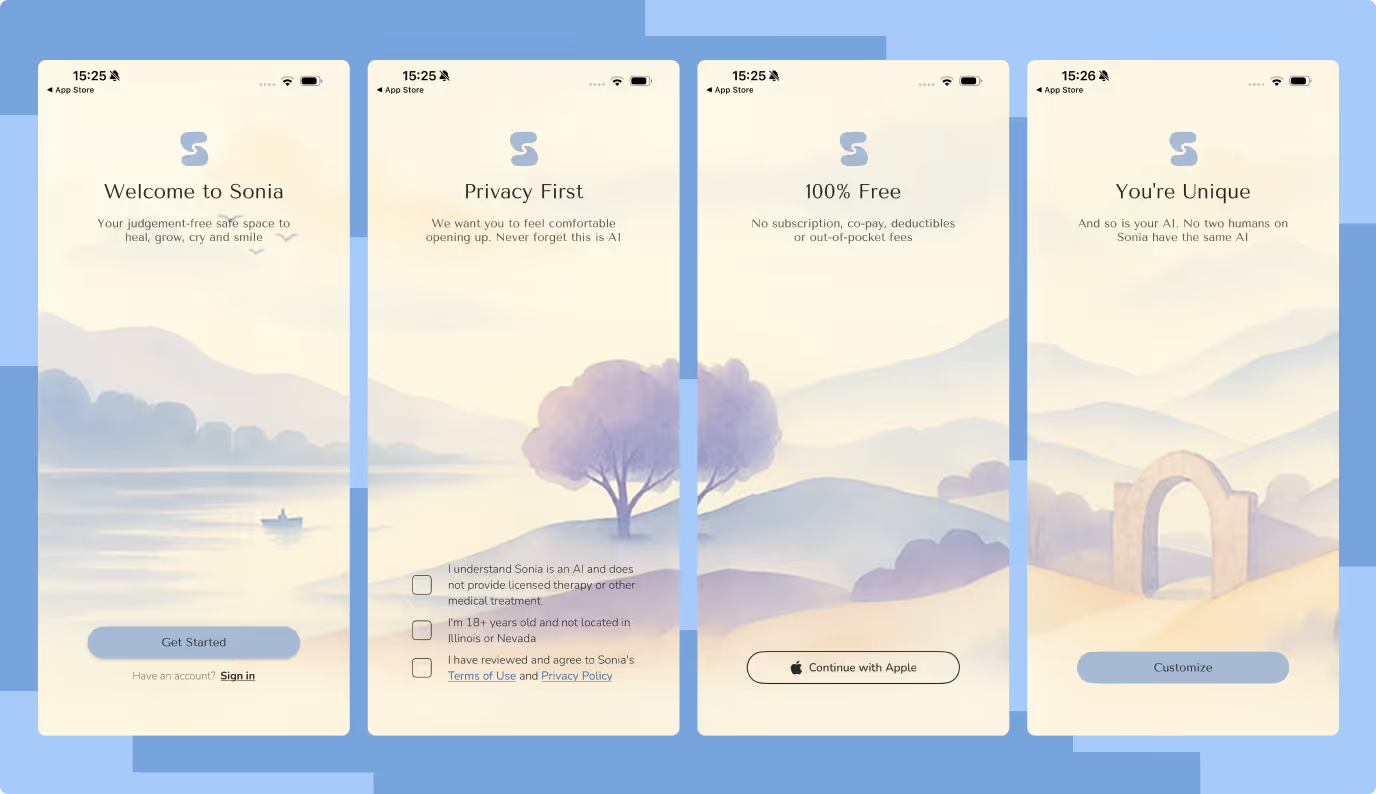
- Multimodal interfaces: Users can interact via text or voice, making the app accessible to different preferences.
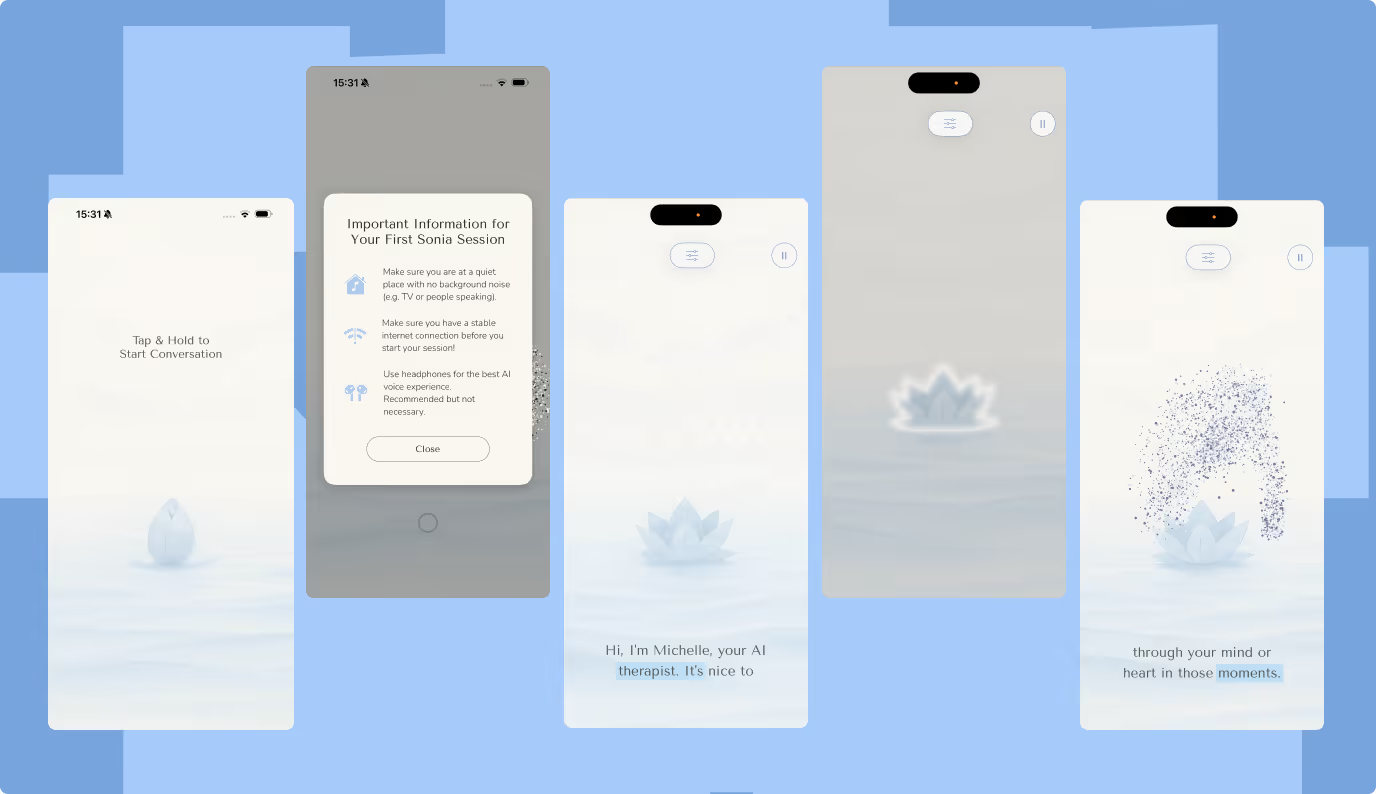
- Human-centred design: The app creates a safe space for mental health support with a clear, empathetic interface and tone of voice.
5. Health & Wellness Apps
Health and wellness apps occupy a distinct position in the HealthTech landscape. Unlike clinical products, they rarely require regulatory clearance, and their users have no medical mandate to keep them engaged. That changes the design problem fundamentally: where a chronic care platform earns retention through clinical necessity, a wellness app earns it entirely through daily relevance. The bar for dropout is lower — and the competition for attention is fierce.
This niche includes nutrition trackers, behavioral weight management, emotional self-care, and sleep monitoring. What they share is a dependency on habit: these products only deliver value if users return consistently, often daily, over weeks or months.
Sleep Cycle: Health App UX Design best practices
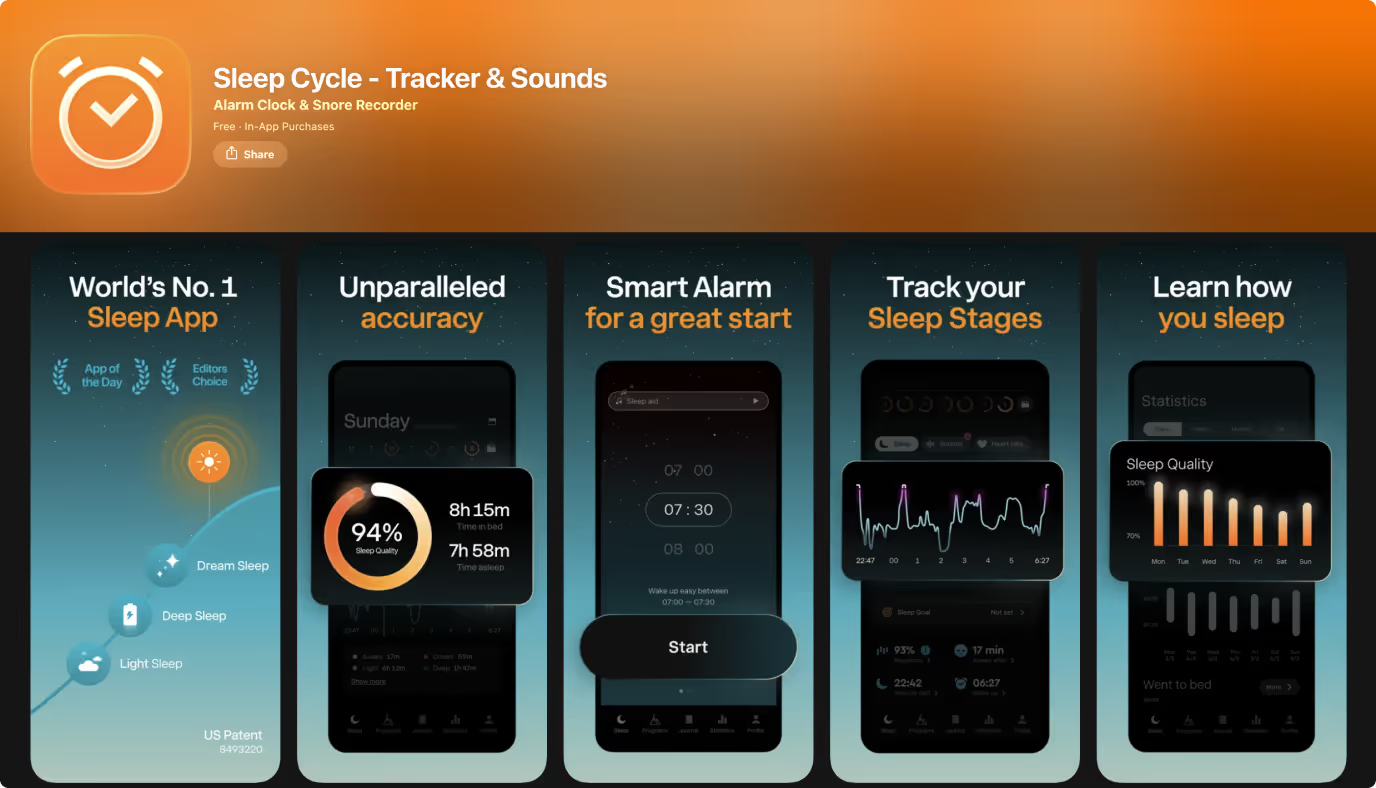
Sleep Cycle is a sleep tracking and smart alarm app that uses audio analysis to monitor sleep patterns and wake users during a light sleep phase. It illustrates several wellness-specific design principles cleanly.
- Gamification & retention: Rather than streaks or points, Sleep Cycle uses trend visibility as its retention mechanic — your sleep history becomes the reason to keep going. The longer the record, the more meaningful the data.
- Behavioral science & habit integration: The app triggers at two moments already anchored in daily life — bedtime and waking. No new habit required. The smart alarm reinforces the value loop: users feel a tangible benefit (waking up at the right sleep phase) from the first morning.
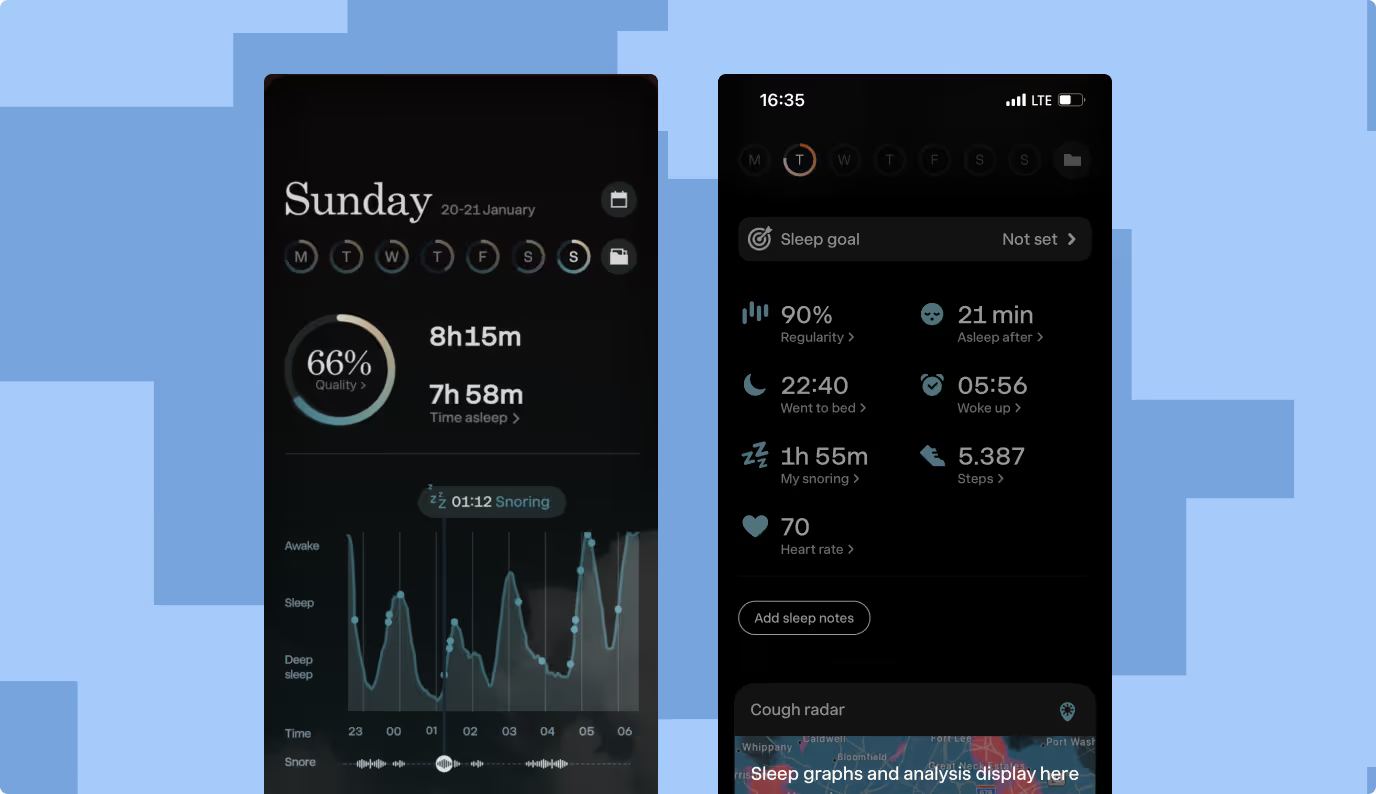
- Trust and credibility: Sleep Cycle reinforces trust through peer-reviewed research, partnerships with leading institutions, and scientifically validated data insights. Its privacy-first approach — including on-device audio processing — ensures sensitive data remains secure, building credibility through both scientific rigor and transparent data practices. (Value of sleep cycle)
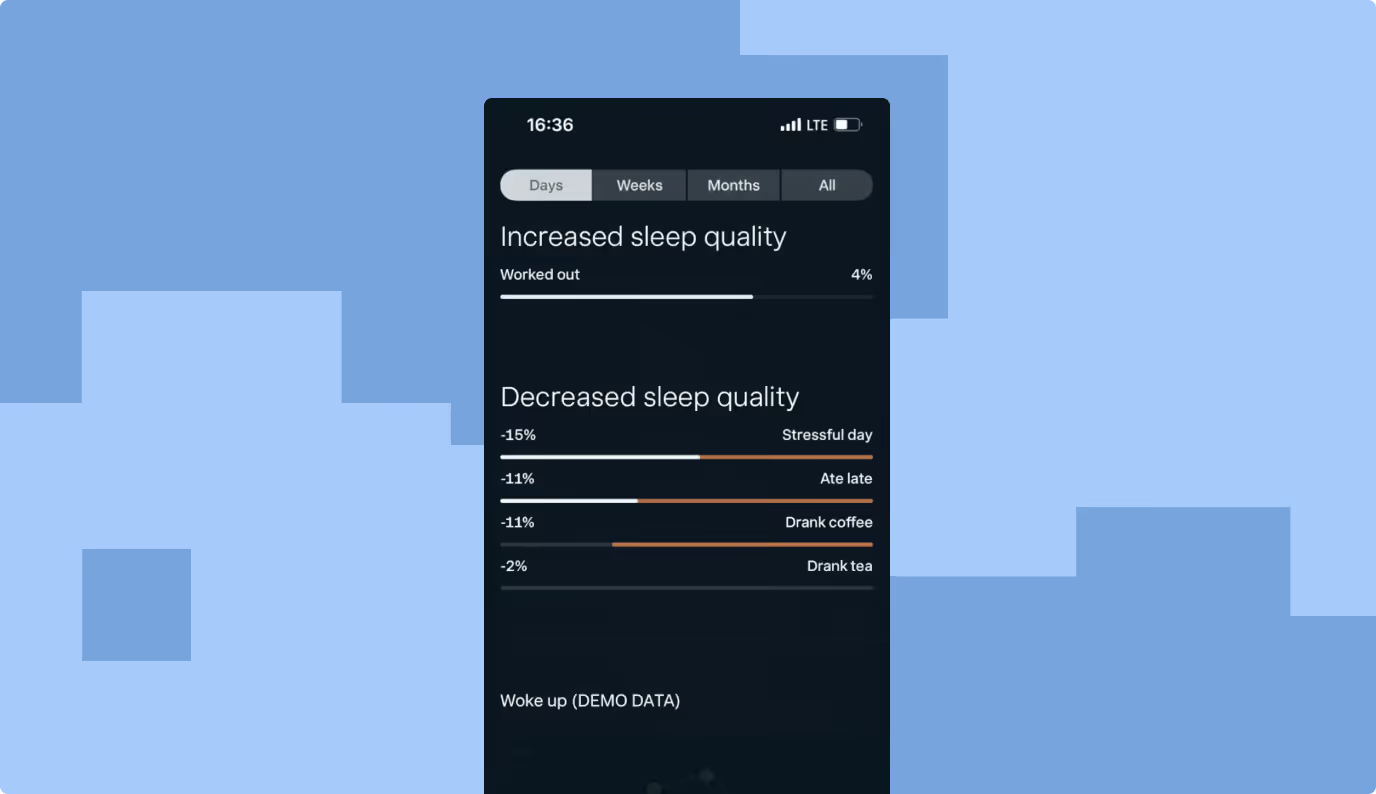
- AI-driven predictions & tracking: Sleep Cycle builds a personalised sleep baseline over time, surfacing trends and correlations — such as how alcohol, exercise, or late screens affect sleep quality — that only become visible with accumulated data.
Connecting Insights
At INSAIM, we went through 20+ HealthTech apps, analyzing UX/UI patterns, trends, and requirements for a successful product. We found that successful digital experiences share common principles: clarity, trust, accessibility, engagement, and human-centered design.
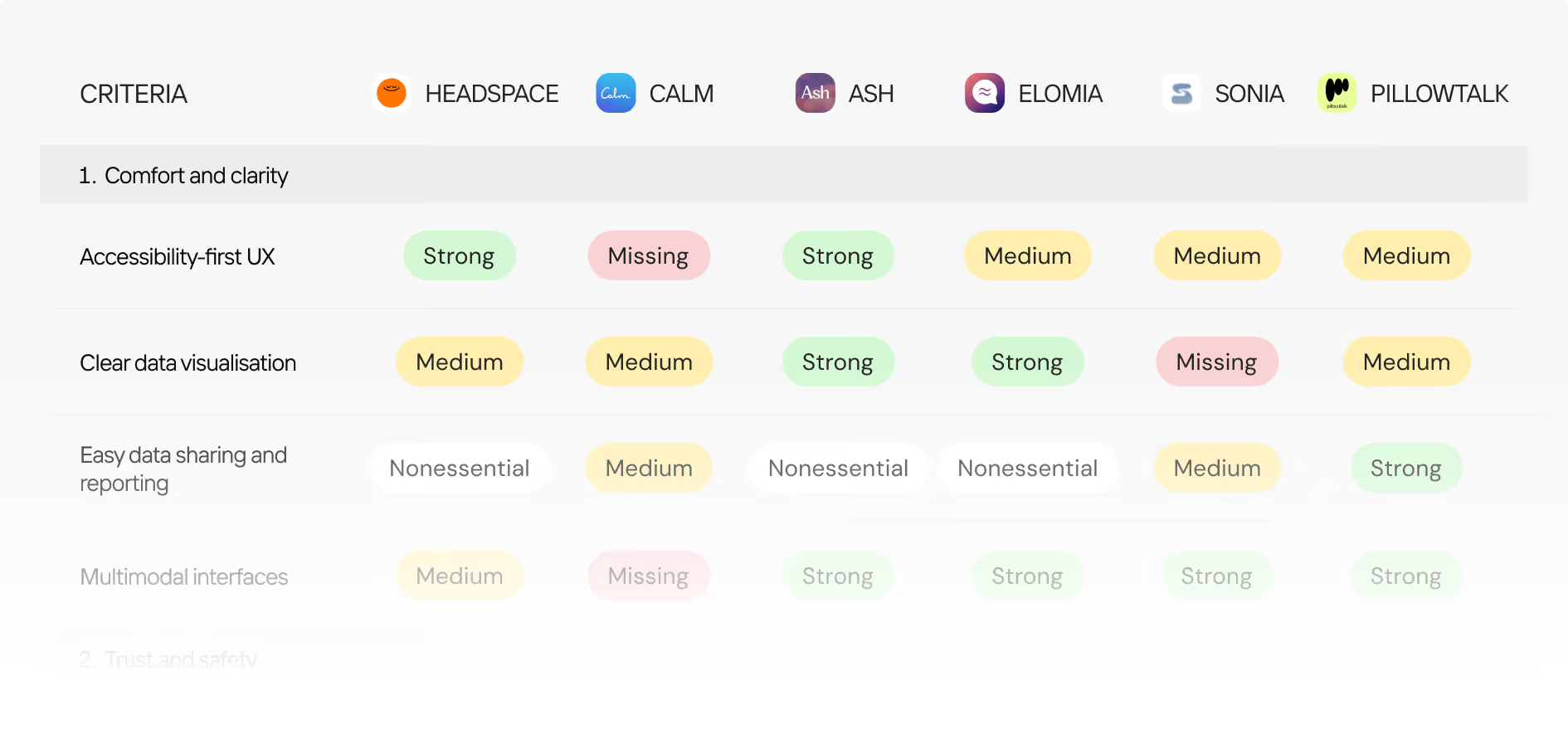
In this material, we’ve pulled together key design principles and shown how they can play out in real HealthTech products across different niches. For anyone looking to get a closer sense of how these ideas work in practice, our Figma file lays out detailed user flows and screens, annotated with observations on what works, what doesn’t, and why. It’s a hands-on way to see UX patterns in action and gather insights you can apply to your own products.
The takeaway is simple: technology alone doesn’t make a product work. Success comes from thoughtfully shaping every interaction so users understand, trust, and feel supported by the product.
To help teams turn these insights into action, we’ve framed them as four key questions. This checklist captures the practical considerations for usability, trust, engagement, and meaningful differentiation — guiding you to build digital health products that truly work in people’s lives.
Key UX Design Principles for Healthcare Apps
The key questions every HealthTech founder/product manager should ask — and the practical criteria to check if your product meets today’s standards.
1. Is my product comfortable for day-to-day use, clear for patients, and comprehensive for clinicians?
Check for
- Dual dashboards: One screen for patients, one for clinicians. Patients see simple insights they can act on today. Clinicians get all the data they need to make smart decisions—without hunting for it.
- Accessibility-first UX: Health app usability means more than a clean interface. Digital health products must be truly usable by everyone — including older adults, people with disabilities, and those with limited tech experience — through clear content, assistive technology support, simple workflows, and inclusive design patterns.
- EMR integration & interoperability: Your app talks to other systems smoothly. Data moves where it’s needed, so clinicians spend time helping patients not copying numbers.
- Clear data visualization: Graphs and reports should make sense at a glance — instantly understandable and meaningful. Health app trust and engagement depend on it. When users cannot interpret their own health data, they disengage.
- Easy sharing & reporting: Review, export, share. A HealthTech app should make data easy to understand, customize, and share, with clear overview dashboards and personalized export options for patients, clinicians, or care teams.
- Multimodal interfaces: AI copilots, chatbots, voice & text options make the app flexible, accessible, and comfortable for different users.
2. Will my product be trusted and feel safe?
Check for
- Clinical validation: Verified and medically accurate, giving users and clinicians confidence in every decision.
- Trust and credibility: Builds user confidence by demonstrating reliability, transparency, and proven effectiveness, clearly communicating the product’s real-world functionality and tangible benefits.
- Human-centred design: Built around real user needs, not assumptions, shaping UI, tone of voice, and UX structure so patients feel understood and supported – interfaces are intuitive, language is empathetic, every interaction efficient and clear.
- Privacy & transparent data handling: Users know exactly how their data is used and give informed consent.
3. Will my product keep users engaged?
Check for
- Behavioral science & adaptive feedback: Personalized nudges and feedback loops encourage adherence and make therapy feel effective in real life.
- Gamification & subtle nudges: Fun, motivating elements that increase retention without feeling forced.
- Goal-oriented interfaces: Guides users toward specific actions and tracks progress so every interaction feels meaningful.
4. Will my product anticipate needs and stand out?
Check for
- AI predictions & tracking: Anticipates needs and provides insights tailored to each user. AI is integrated thoughtfully — it’s there to help, not decorate, supporting decisions and actions without cluttering the experience.
- Actionable insights from user data: Helps users make informed decisions, rather than just showing numbers.
- Monitoring for caregivers/partners: Allows safe and easy oversight with consent, so care teams and loved ones can support the user effectively.
- Specification vs. generalization: Your product focuses on a specific audience and problem, rather than trying to be everything to everyone, it delivers real, meaningful value without becoming diluted.
Understanding these distinctions enables strategic design choices, ensuring solutions resonate with both patient and clinician needs, while remaining scalable and compliant.