.svg)
.png)
.svg)
.svg)
.svg)


Healthcare has historically operated as a reactive system: symptoms appear, data is collected, diagnosis is made, and treatment follows. While digital tools have improved efficiency, most implementations still rely on episodic data and retrospective analysis.
The global digital health market is projected to exceed $3 trillion in the coming decade, reflecting a growing shift toward preventive healthcare and continuous monitoring systems. AI in healthcare is increasingly shifting from reactive tools toward predictive healthcare systems embedded in modern digital health platforms, including AI health apps and remote patient monitoring solutions. What is emerging is a change in how health is modeled from isolated events to continuous trajectories. This shift is often described as AI preventive healthcare, where systems use continuous data, predictive modeling, and longitudinal analysis to identify risks before they become clinically visible.
This article focuses on how predictive logic is structured at the system and product level, rather than evaluating clinical efficacy of individual solutions.
What Is AI Preventive Healthcare?
AI preventive healthcare refers to systems that apply machine learning to continuously analyze data, model individual health trajectories, and estimate future risk. The goal is to enable preventive and proactive healthcare systems, not just diagnosis. Unlike traditional approaches, predictive systems focus on:
- Longitudinal health data
- Personalized baselines
- Time-series modeling
- Early disease detection
Current State: Operational AI vs Predictive Healthcare
Most production deployments of AI in healthcare today remain focused on operational efficiency, not predictive modeling. Common applications include:
- Documentation automation
- Scheduling optimization
- Resource management
Industry data reinforces this pattern. The 2026 Best in KLAS report shows that healthcare systems are still primarily evaluated on workflow efficiency and clinical operations, rather than predictive capabilities (KLAS Research). These systems remain reactive. Predictive healthcare systems, by contrast, aim to:
- Model health continuously
- Detect early risk signals
- Enable proactive decision-making
Reactive vs Predictive Healthcare
Reactive Healthcare
- Symptom-based
- Episodic data
- Diagnosis after onset
- Population averages
- Treatment-focused
Predictive Healthcare
- Signal-based
- Continuous health tracking
- Early disease detection
- Personalized baselines
- Preventive healthcare
Predictive Models Exist — Integration Does Not
Predictive modeling is well established in healthcare predictive analytics. Research shows that AI-driven models can identify early disease signals and improve risk prediction across multiple conditions (PubMed Central). Examples include: AI disease prediction, Health risk prediction models, Chronic condition forecasting. However, most systems are not fully integrated into real-world workflows. Predictive healthcare remains fragmented, limited in deployment, and not consistently embedded into digital health solutions.
From Tracking to Prediction (Early Product Patterns)
The following examples illustrate how predictive logic appears in emerging digital health platforms. These are directional implementations, not fully mature systems.
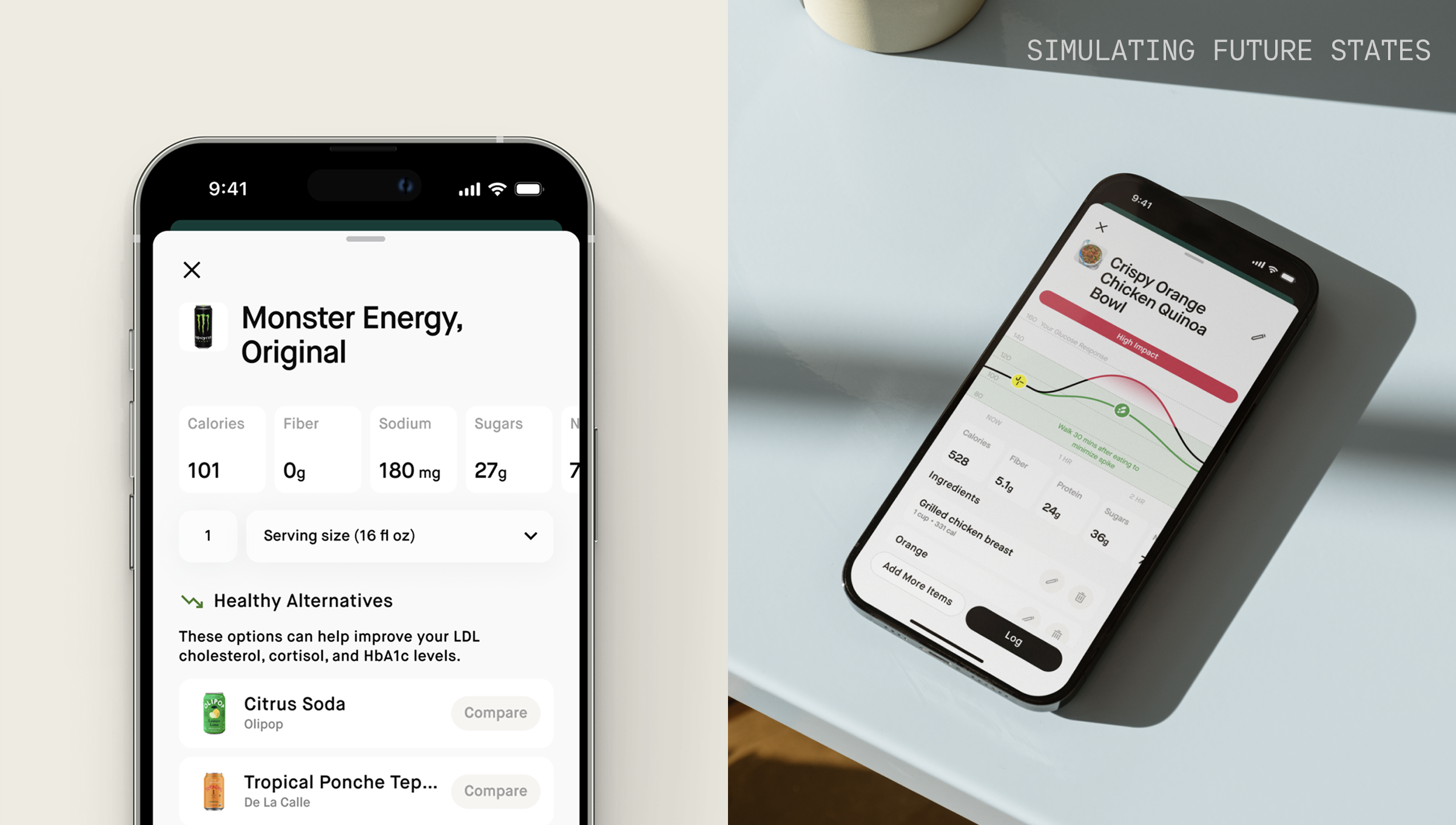
Simulating Future States
A pattern in products such as January AI is the ability to simulate physiological responses before they occur. January AI is a consumer health app focused on metabolic prediction, helping users understand how their body responds to food in real time. These AI health apps use time-series modeling, personalized baselines, and health data analytics to estimate outcomes such as glucose response, enabling predictive simulations and earlier intervention.
Longitudinal Biomarker Tracking
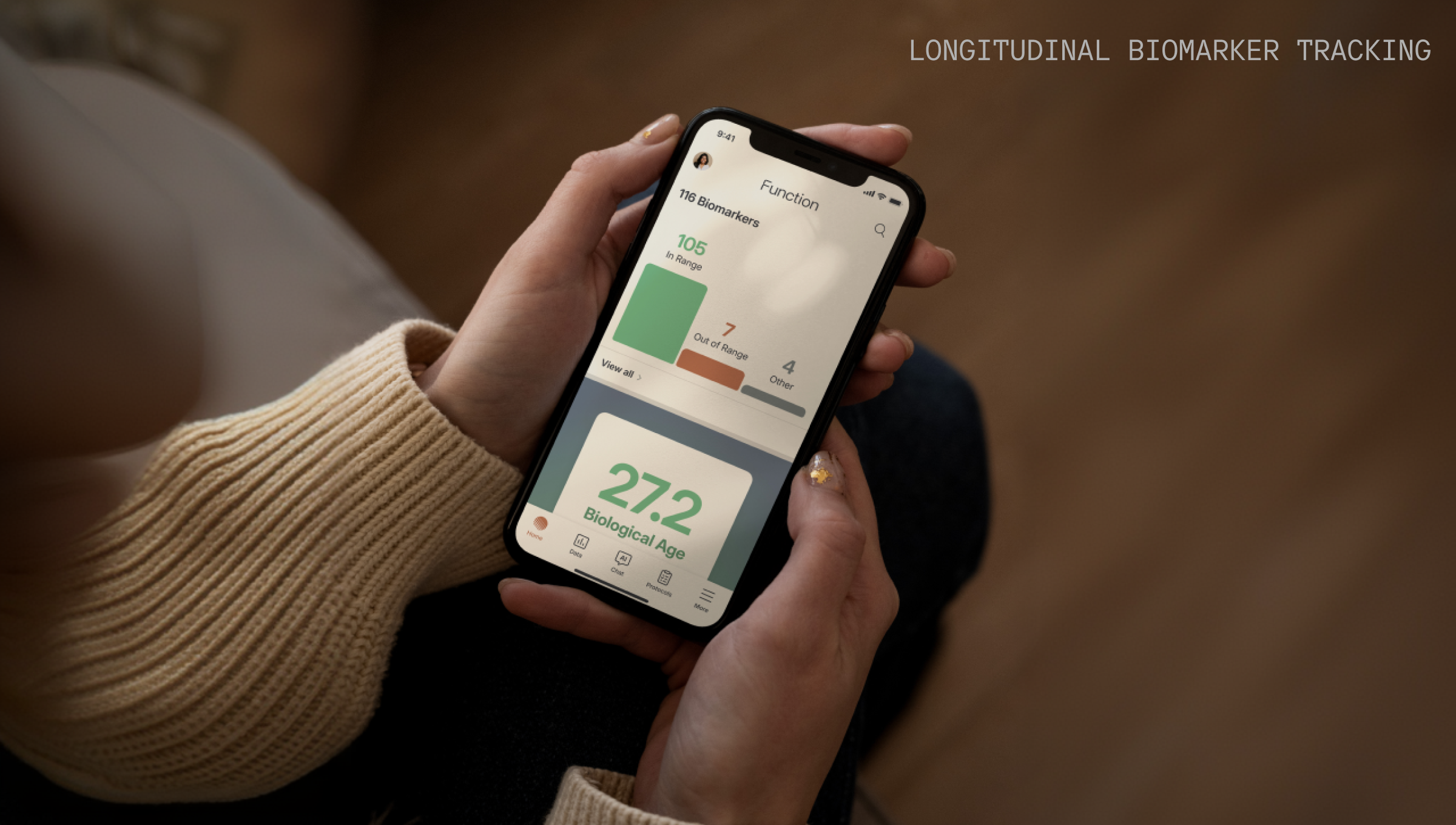
Platforms like Function Health demonstrate how biomarker tracking and longitudinal health data enable earlier signal detection. Function Health provides comprehensive lab testing and longitudinal tracking to help users interpret changes in biomarkers over time. This approach supports continuous health tracking, personalized health prediction, and early disease detection.
Continuous Data Systems
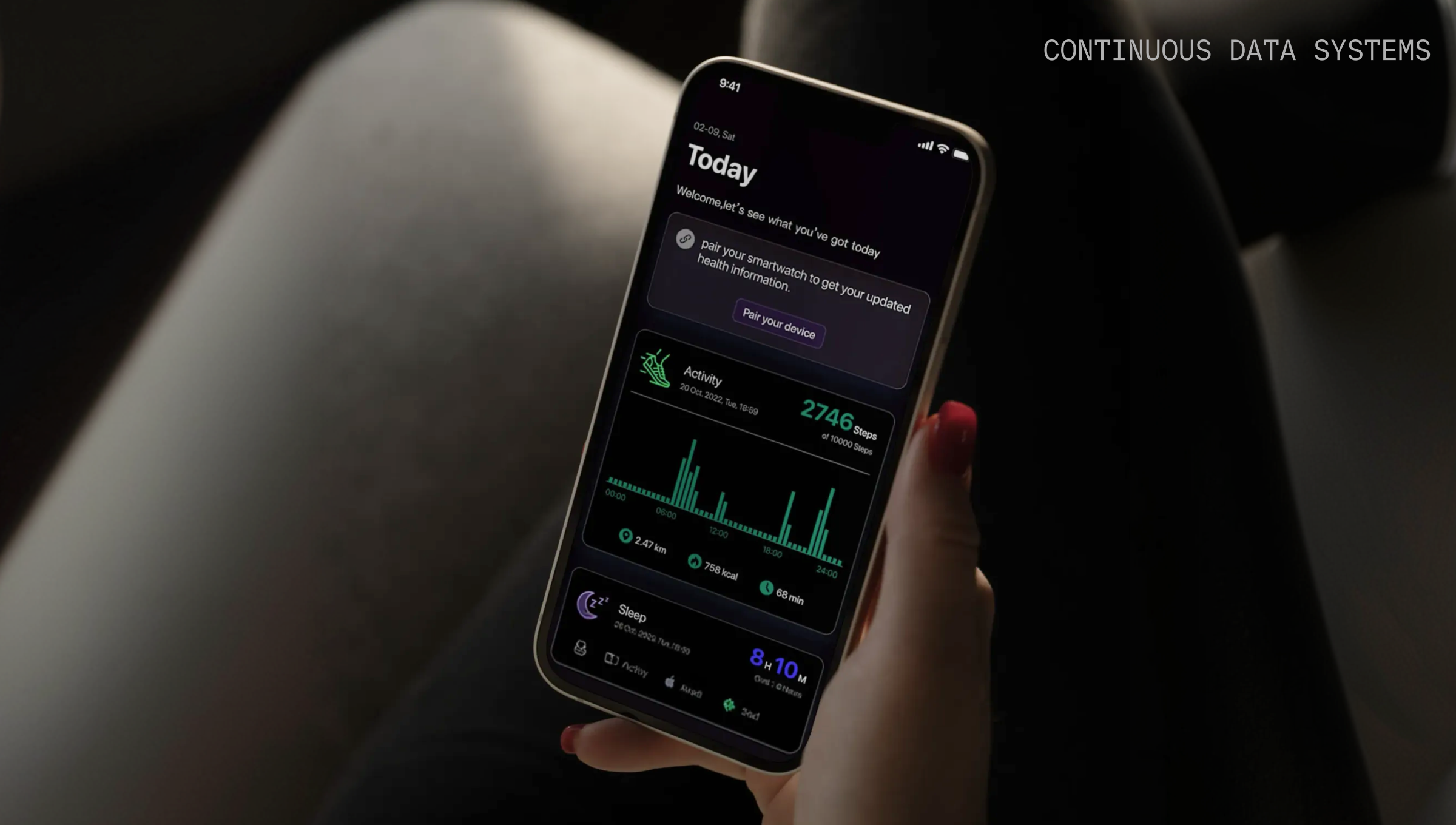
Emerging solutions such as Level Zero Health focus on continuous physiological monitoring. Level Zero Health develops technology for continuous hormone tracking, aiming to replace infrequent lab tests with real-time data. This enables passive health monitoring, smart health tracking, and AI-powered health monitoring, while supporting predictive modeling over time.
Clinical Pattern Detection
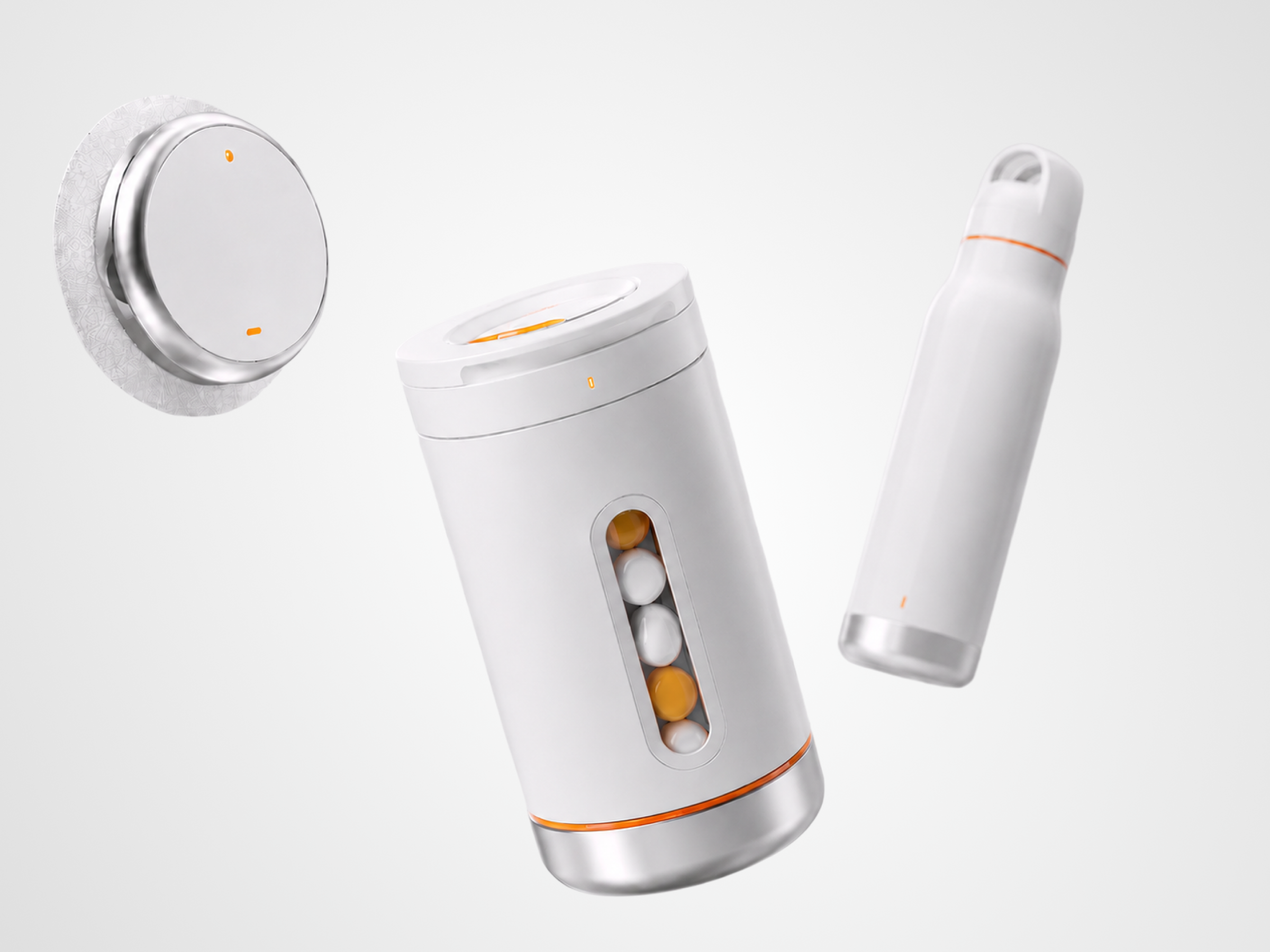
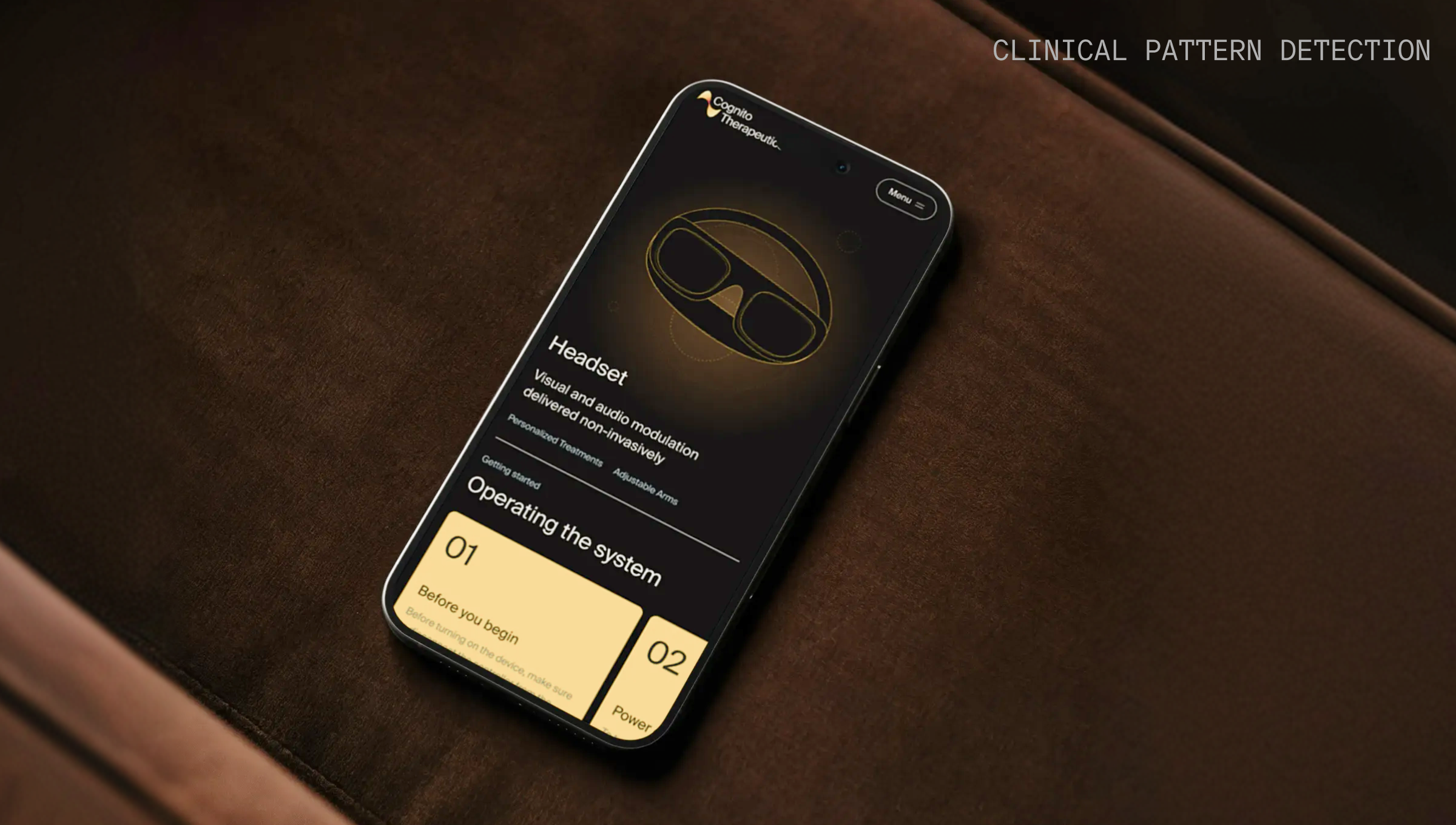
Companies like Cognito Therapeutics illustrate how predictive approaches extend into clinical environments. Cognito Therapeutics develops neurotechnology solutions that use brain signal analysis and stimulation to address neurodegenerative conditions. These systems analyze biological signals to support earlier intervention and improved outcomes.
From Products to System Patterns
Modern digital preventive healthcare is increasingly defined by a shift from static measurements to continuous data, from population-level averages to personalized baselines, and from retrospective analysis to predictive simulations. Together, these changes enable health systems to move beyond simply measuring the present toward understanding individual patterns and anticipating potential outcomes.
How Predictive Health Platforms Work
Predictive health platforms typically follow a structured architecture that transforms continuous health data into actionable insights. The input layer collects data from wearable devices, biomarkers, and behavioral signals. This information is then processed through a modeling layer that applies time-series analysis, longitudinal health data, and risk scoring to identify patterns and estimate potential health trajectories. The output layer translates these models into predictions, health trajectories, and signals for early disease detection. Finally, the action layer turns these insights into preventive healthcare solutions and proactive interventions.
Constraints: Why Predictive Healthcare Is Still Emerging
Despite its potential, predictive healthcare is still emerging due to several practical and clinical constraints. Regulatory requirements remain a major consideration, as predictive systems must meet strict standards for medical validation and safety. There is also a clinical validation gap: many models have limited real-world validation and may be affected by bias. Healthcare data remains highly fragmented, with information distributed across different systems and often recorded in inconsistent formats. At the same time, wearable health data and continuous tracking introduce signal noise and variability that can affect prediction accuracy. Finally, predictive systems need to be interpretable, providing healthcare professionals and users with clear, understandable, and actionable outputs.
Conclusion
As these systems evolve, they increasingly combine predictive simulations, smart health tracking, and AI health monitoring to support continuous prevention and long-term health optimization. Predictive healthcare is evolving from concept to system. The shift is structural:
From reactive care → preventive healthcare
From snapshots → continuous health tracking
From diagnosis → prediction and intervention
Rather than replacing existing systems, AI preventive healthcare introduces a new layer, one that changes when and how decisions are made.
FAQ
- What is AI preventive healthcare?
AI preventive healthcare uses machine learning and continuous data to predict health risks before symptoms appear and enable early intervention. - What are AI health apps?
AI health apps are digital applications that use machine learning and health data analytics to track, predict, and improve health outcomes. - How does predictive healthcare work?
Predictive healthcare uses longitudinal health data, time-series modeling, and risk scoring to estimate future health outcomes and detect early disease signals. - What is the biggest challenge in predictive healthcare?
The main challenge is combining accurate models with real-world validation, high-quality data, and interpretable outputs.