.svg)
.png)
.svg)
.svg)
.svg)


Introduction
Digital healthcare platforms are increasingly capable of analyzing patient data. Many systems provide dashboards, predictive insights, and personalized recommendations that support better health decisions. However, the quality of these insights depends on one critical factor: consistent data collection.
Most patient engagement apps still rely on manual input. Patients are expected to log symptoms, track medication intake, record hydration, or enter weight and blood pressure readings. While this approach appears simple, in practice it rarely works over time. People forget to log information, skip entries, or abandon tracking entirely. This is where UX/UI patient engagement becomes essential. The effectiveness of digital health tools is not determined only by the technology behind them, but by how easily users can interact with them.
From a user experience UX for patient engagement perspective, the goal is to reduce effort and make health monitoring feel natural rather than burdensome. One of the most promising solutions is the use of passive health monitoring devices that collect data automatically.
The Core UX Problem in Patient Engagement
Manual data entry introduces friction into digital health systems. Even highly motivated patients often struggle to maintain regular tracking habits. Entering information every day requires attention, discipline, and time. Over time, three common problems appear:
- inconsistent or incomplete data
- user fatigue from repetitive input
- declining engagement with the application
Ironically, many digital health apps for patients already have powerful analytical tools capable of identifying trends, monitoring chronic conditions, and supporting clinical decision-making. However, these tools depend on continuous and reliable data streams.
Without consistent input, even advanced analysis systems become less useful. This gap between strong analytics and weak data input represents one of the central challenges in healthcare app user experience design.
A UX Shift: From Manual Tracking to Passive Data Collection
To address this problem, designers increasingly focus on reducing the need for active user interaction. Instead of asking patients to manually log health metrics, modern systems rely on remote patient monitoring devices and connected sensors that collect data automatically. These devices measure health indicators during everyday activities and send the information directly to health platforms. The user does not need to open an application or remember to log data.
From a UX/UI patient engagement perspective, this approach dramatically reduces friction. Health monitoring becomes integrated into daily life rather than functioning as an additional task. This shift reflects an important design principle: the most effective user experience often requires the least visible interaction.
Devices That Enable Passive Health Monitoring
A growing ecosystem of health tracking technologies allows health applications to gather information without manual input. These tools collect different types of physiological or behavioral data while fitting naturally into everyday routines. Below are several examples of devices currently used in patient monitoring systems.
Wearable Watches and Fitness Bands
Wrist-based wearables are among the most common health monitoring devices. Because they are worn throughout the day, they generate continuous health data with minimal user effort. They can automatically track:
- heart rate
- daily activity and steps
- sleep patterns
- blood oxygen levels
- stress indicators
Smart Rings
Smart rings offer a more discreet alternative to wrist devices. Their unobtrusive design makes them appealing to users who prefer technology that remains largely invisible in everyday use. These small wearable devices can monitor:
- sleep quality
- body temperature changes
- heart rate variability
- recovery indicators
Smart Scales
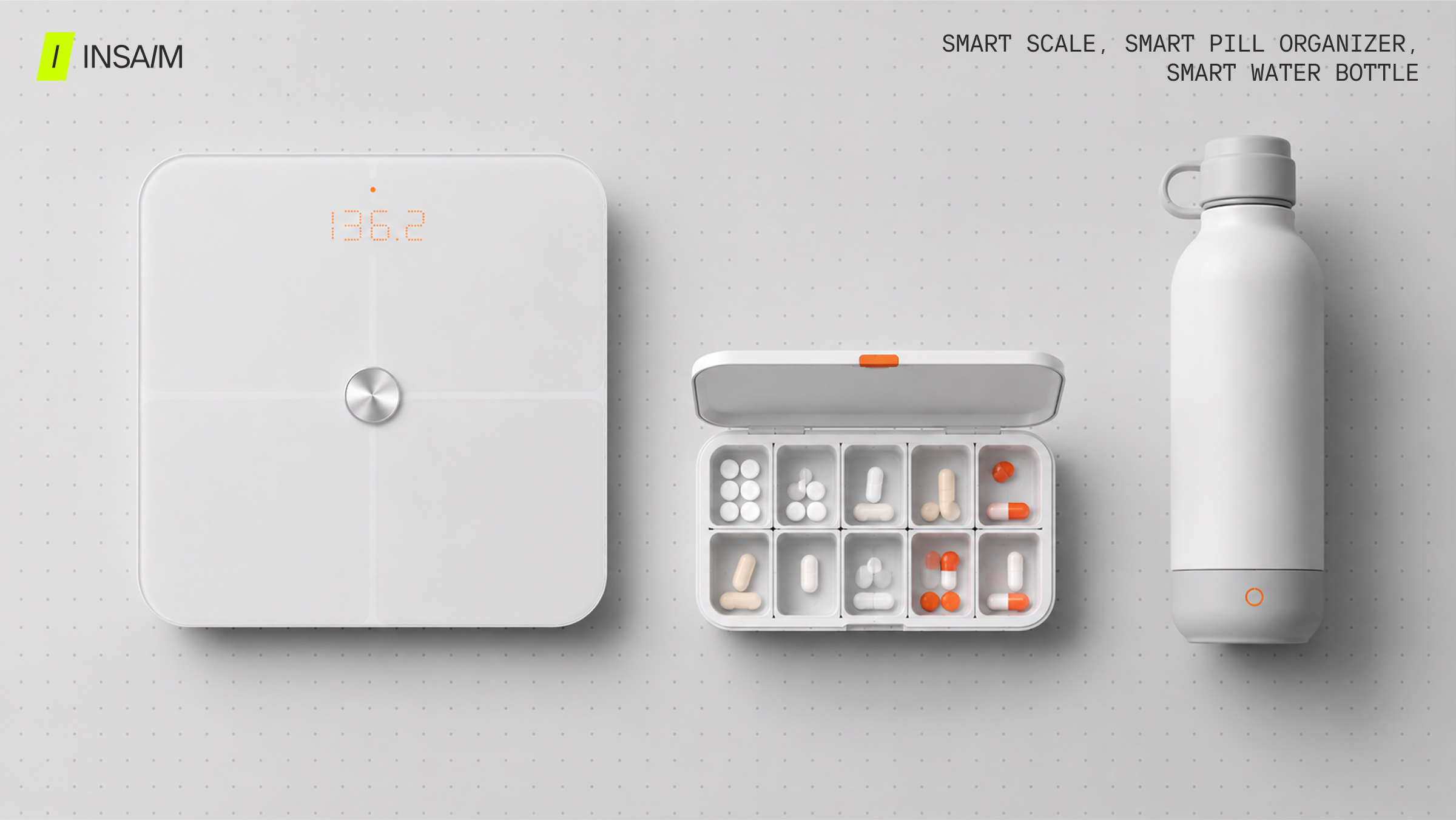
Smart scales automatically upload body measurements to connected health platforms. This automatic synchronization ensures that weight tracking remains consistent without requiring manual logging.
They typically measure:
- body weight trends
- body fat percentage
- muscle mass
- hydration levels
Smart Water Bottles
Hydration tracking is common in many patient engagement apps, but manual tracking is often unreliable. Smart water bottles automatically measure water intake and synchronize the information with mobile health platforms. Some models also provide reminders that encourage regular hydration.
Smart Mattresses and Pillows
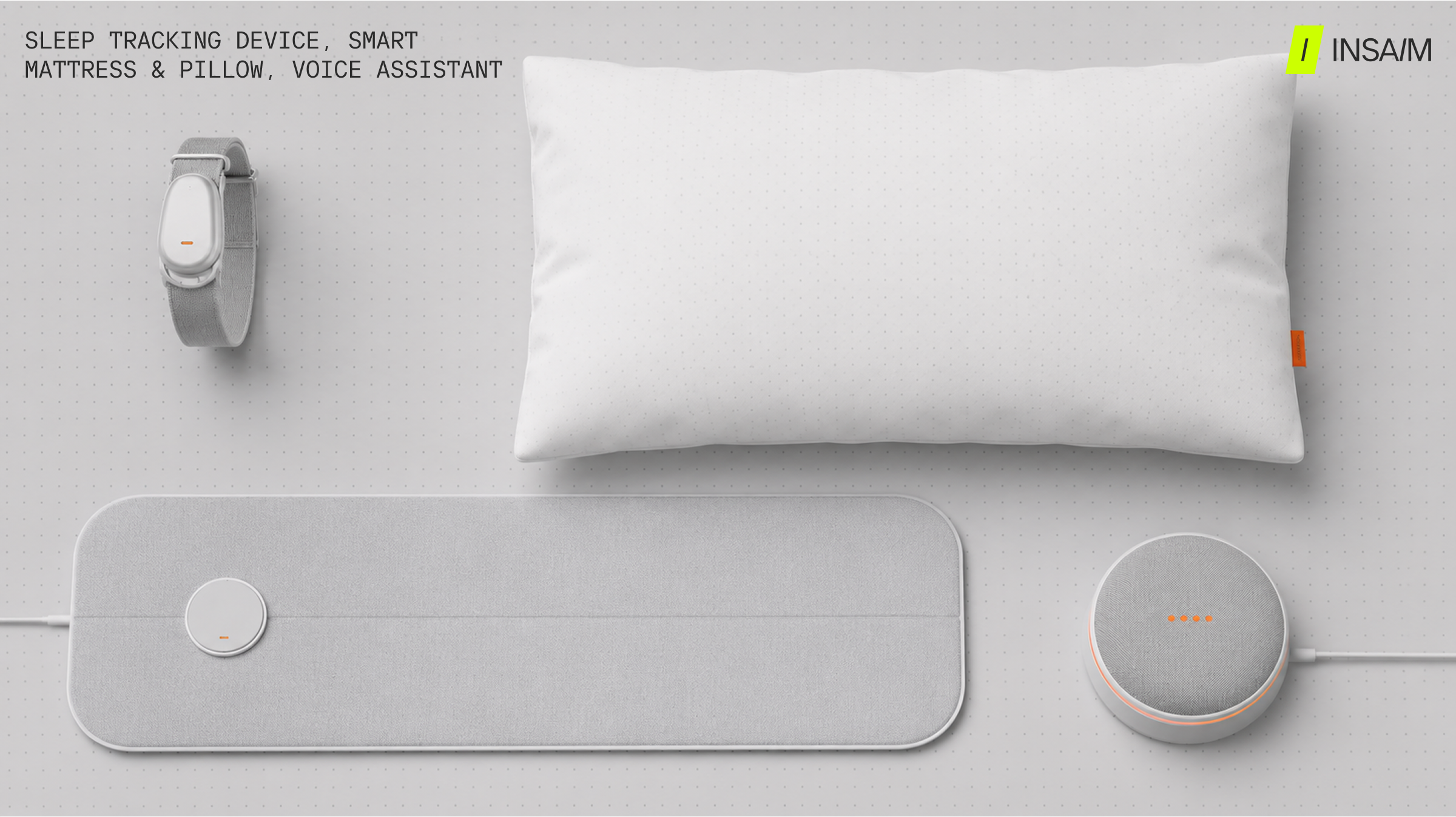
Sleep tracking can also be integrated directly into the sleeping environment. Because these systems operate automatically during sleep, they represent a fully passive monitoring solution. Sensors embedded in mattresses or pillows can measure:
- sleep stages
- breathing patterns
- body movement during sleep
- snoring
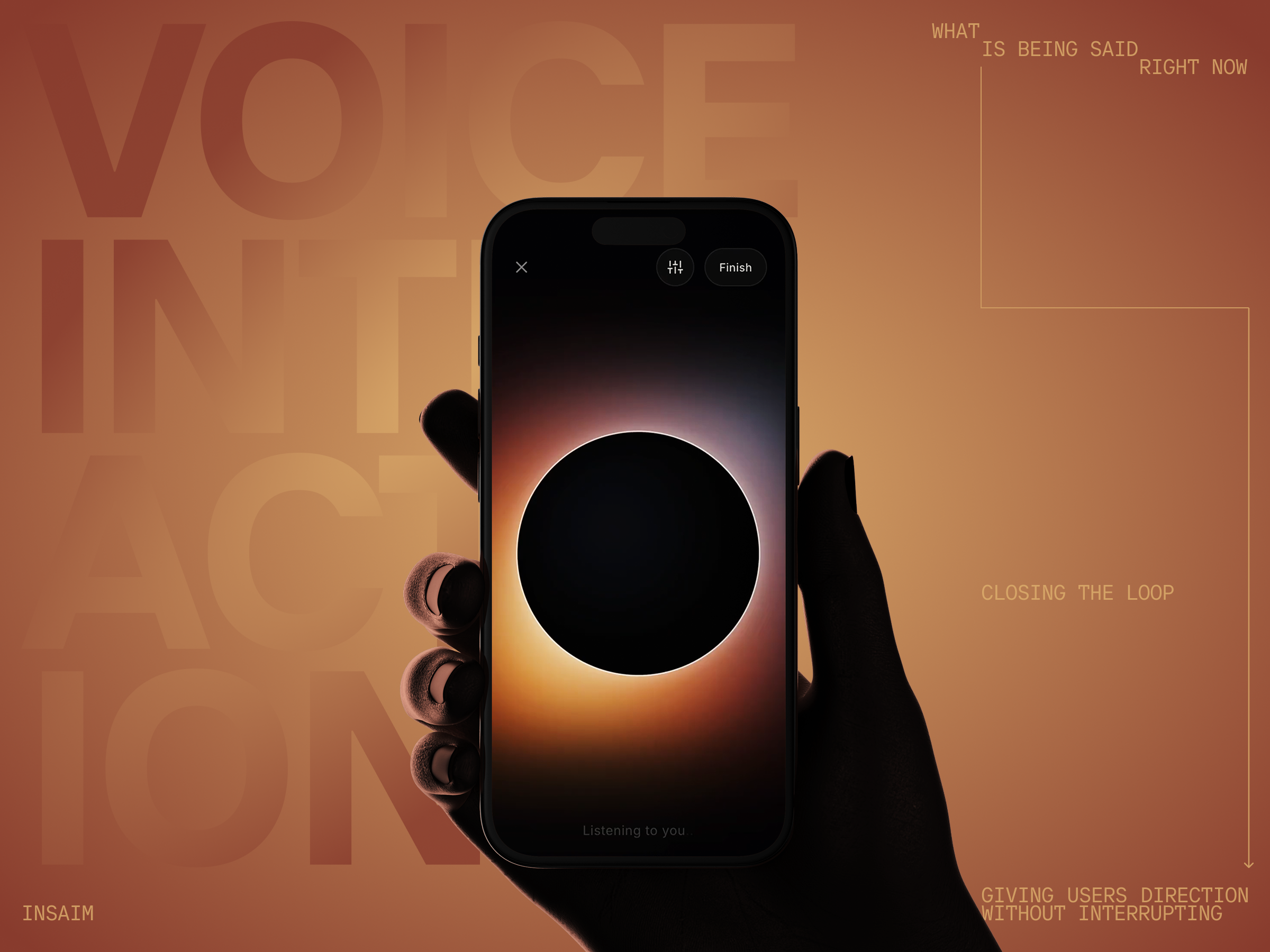
Voice Assistants and Smart Speakers
Voice interfaces provide another way to simplify health interactions. For elderly users or patients with mobility limitations, voice interaction can significantly improve accessibility. Smart speakers can support:
- medication reminders
- daily health check-ins
- symptom reporting
- appointment notifications
Connected Medical Devices
Many traditional diagnostic tools now function as remote patient monitoring devices. These devices automatically transmit readings to health platforms, improving both accuracy and consistency of medical data. Examples include:
- digital blood pressure monitors
- connected glucometers
- pulse oximeters
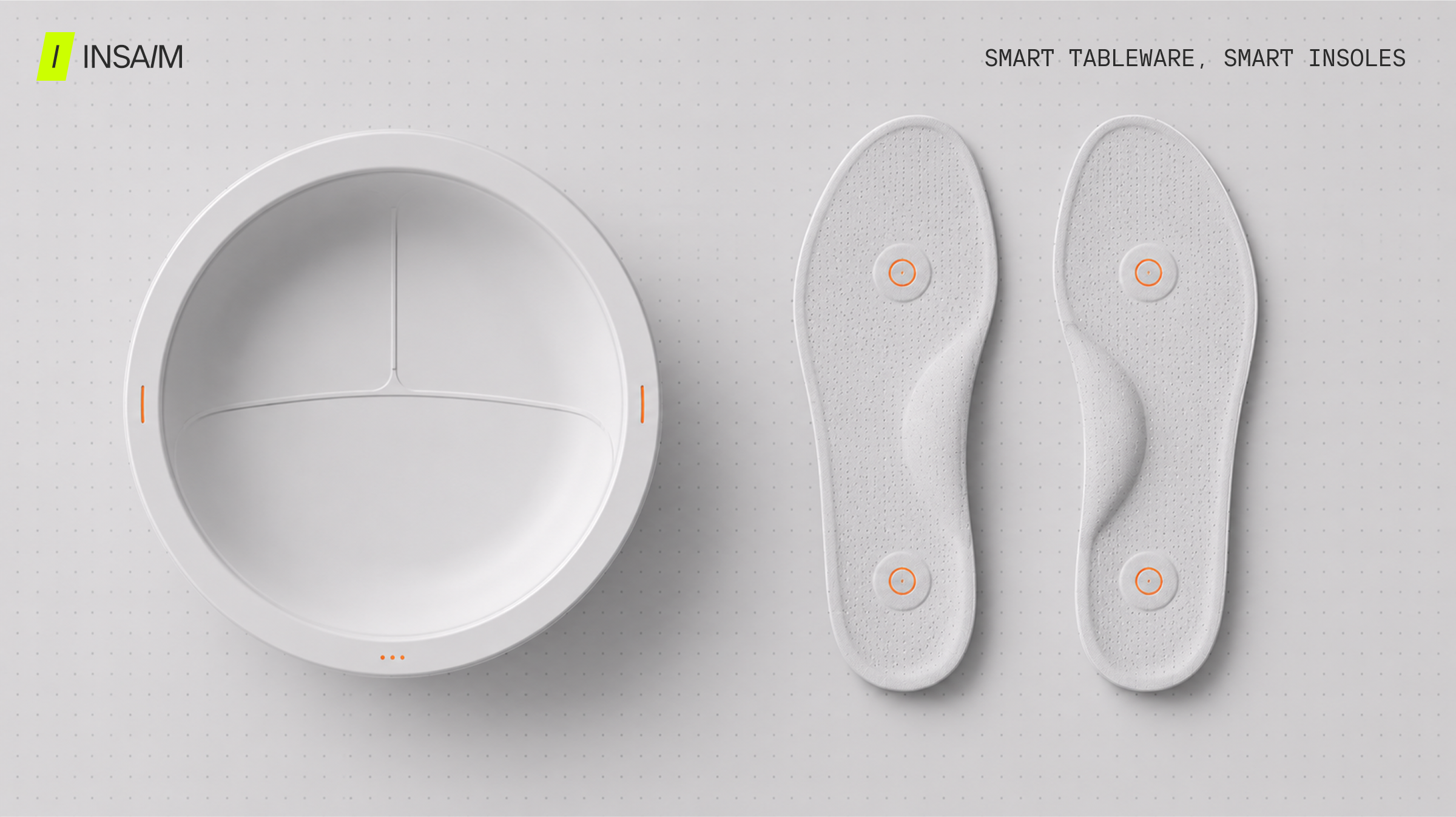
Smart Tableware
Smart utensils and plates represent an emerging category of health monitoring tools. Although still developing, these devices may eventually support nutrition monitoring and behavioral health interventions. They aim to track eating behavior by measuring:
- eating speed
- portion size
- meal timing
Sleep Tracking Devices
Dedicated sleep trackers provide detailed analysis of nighttime health indicators such as sleep stages, heart rate during sleep, breathing irregularities, and sleep interruptions. These devices contribute important data for understanding overall health patterns.
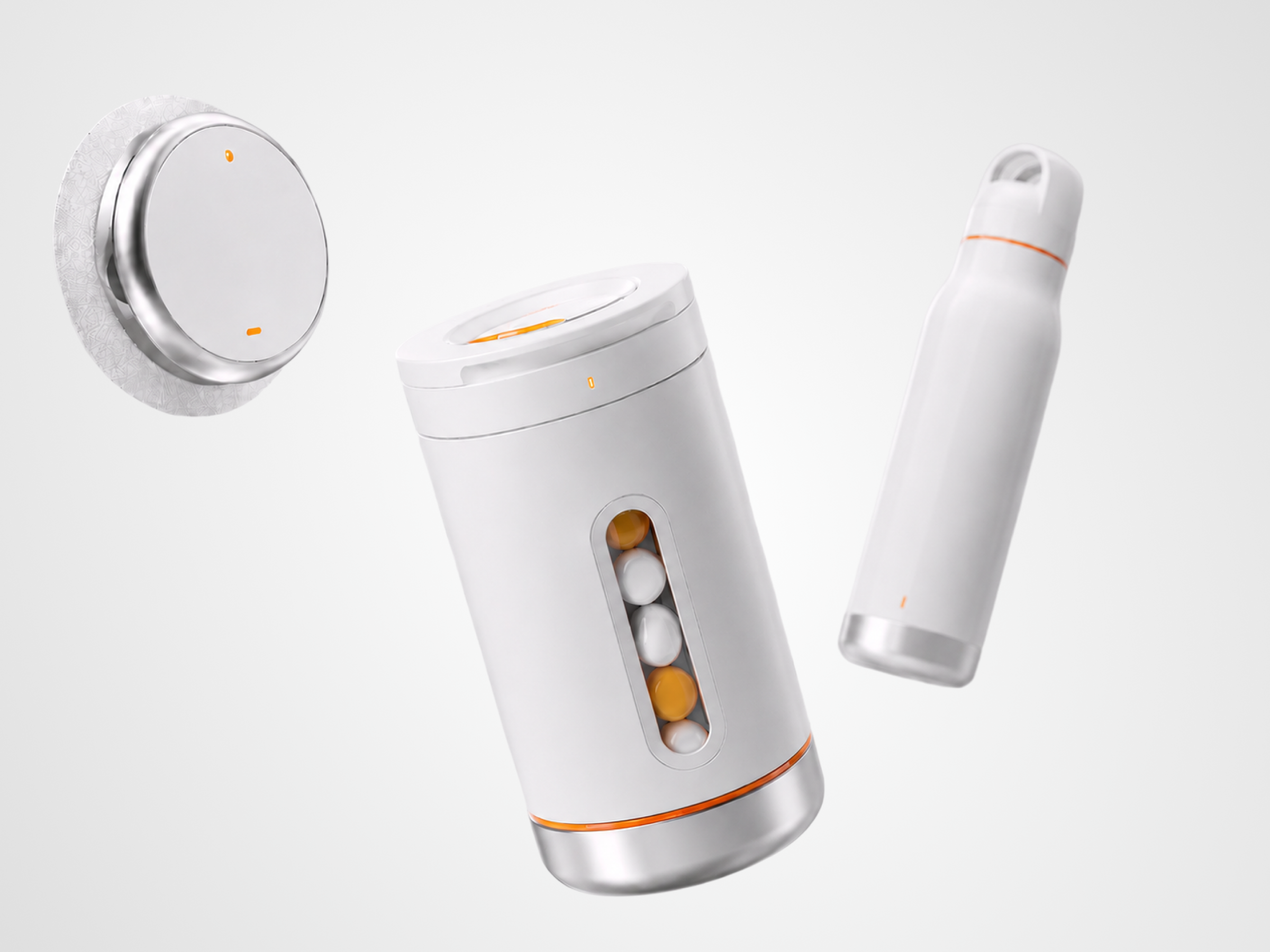
Smart Pill Organizers
Medication adherence remains one of the most difficult behaviors to track. This improves monitoring while reducing the need for manual reporting. Smart pill organizers address this issue by:
- reminding users to take medication
- recording when compartments are opened
- transmitting adherence data to health applications
The Hidden UX Challenge: Too Many Devices
While connected devices improve data collection, they introduce another problem. Managing several devices and apps can quickly become overwhelming. From a user experience UX for patient engagement perspective, fragmentation reduces usability and may discourage users from continuing to track their health. Most people prefer technologies that are simple, integrated, and unobtrusive. Each device often comes with its own:
- mobile application
- user account
- interface
- data storage system
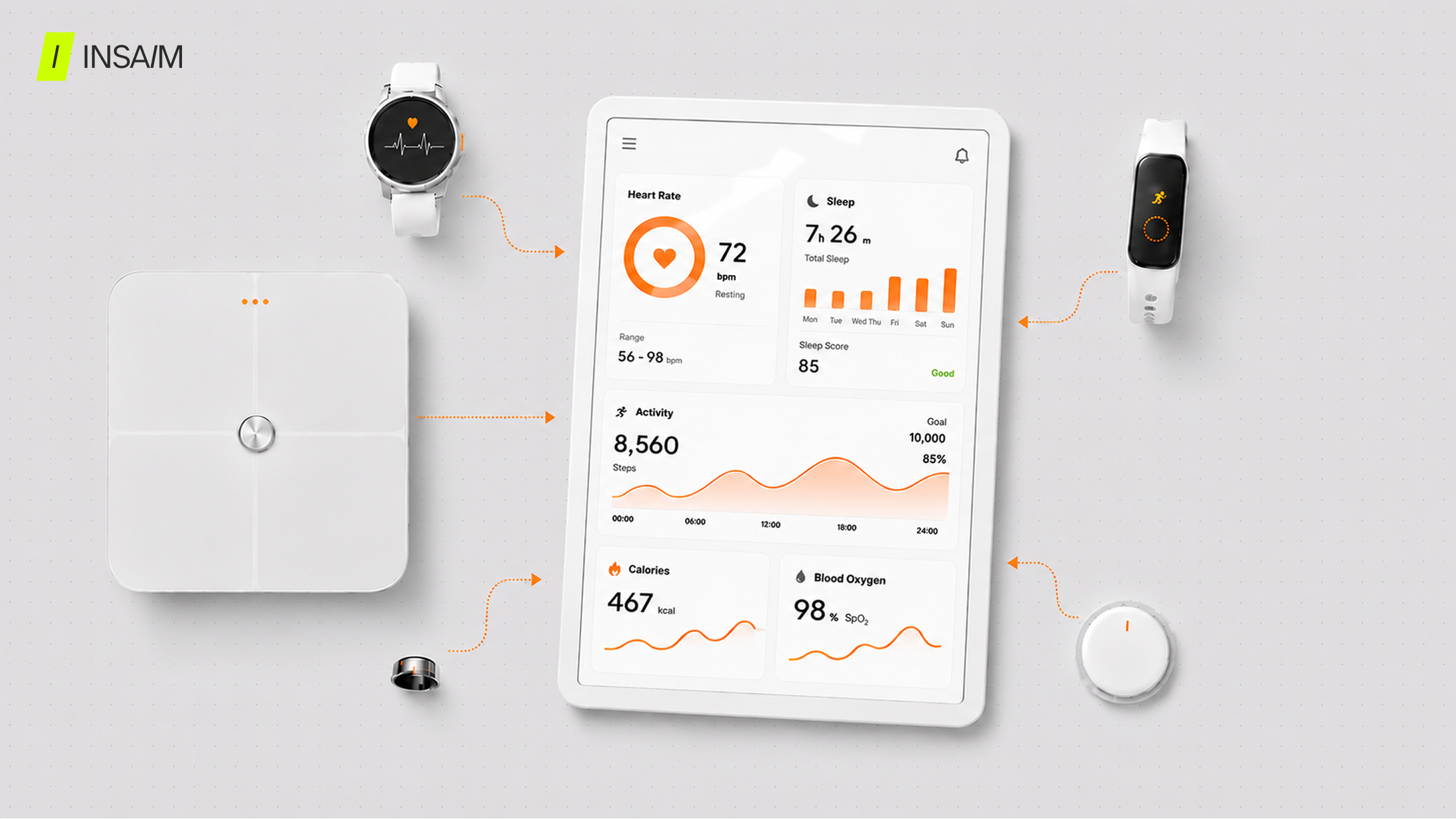
The UX Solution: Health Applications as Data Aggregators
A more sustainable design model is to treat the health application as a central ecosystem that aggregates data from multiple devices. This approach significantly improves healthcare app user experience. Users no longer need to manage several apps or manually enter data. Instead, the platform becomes a unified health dashboard that combines data from multiple remote patient monitoring devices. Such systems also enable deeper analysis by combining information from sleep, activity, nutrition, and medical measurements. In this architecture:
- devices collect health data passively
- information flows automatically into one application
- users interact with a single interface
In digital health design, engagement often depends on reducing the effort required from users. When health monitoring becomes automatic and integrated into everyday routines, patients are far more likely to remain engaged with digital health platforms over time.
Conclusion
The future of UX/UI patient engagement lies in reducing the need for manual data entry. Instead of relying on patients to constantly log information, modern health ecosystems increasingly use passive monitoring technologies that collect data automatically. Wearables, connected medical devices, and environmental sensors already make this possible. The next step is integrating these technologies into unified platforms that simplify the user experience UX for patient engagement.
When health data collection becomes effortless, patient engagement becomes far more sustainable.
FAQ
- Why is UX/UI important for patient engagement?
UX/UI design determines how easy it is for patients to interact with digital health tools. Reducing friction and simplifying data collection helps users stay engaged with health platforms. - Why does manual health tracking often fail?
Manual tracking requires consistent effort. Over time, users forget or stop logging data, which leads to incomplete health records. - What are passive health monitoring devices?
These are devices that automatically collect health data through sensors and transmit it to digital health platforms without requiring manual input. - How do healthcare app user experience improvements reduce patient drop-off?
Poor user experience is one of the main reasons patients stop using digital health apps. When healthcare app user experience is designed around passive data collection rather than manual input, the effort required from patients drops significantly — making long-term engagement far more sustainable. - How do remote patient monitoring devices support healthcare?
They allow healthcare providers to monitor patient health indicators remotely, enabling earlier detection of potential issues and better ongoing care.